
36336 N Summit Village Way
Oconomowoc, WI
Hours: M-F: 9-5, Sat: 10-2

Your Mobility Solutions Start Here.
From our family to yours, we’re here to help!
From our family to yours, we’re here to help!
What Sets Us Apart
Family-Owned Commitment
As a locally rooted, family-owned business, we bring genuine care, honesty, and hands‑on support to every customer who walks through our doors.
Expert Guidance & Service
We don’t just sell mobility products — we personally help you choose the right solution, explain every feature, and provide reliable service long after the purchase.
Trusted Local Experience
Wisconsin families rely on us because we prioritize comfort, independence, and long-term reliability in everything we offer.
FAMILY OWNED & OPERATED
PROUDLY SERVING SE WISCONSIN SINCE 2004



Mobility Tips & Guides
-
![]()
Choosing the Right Electric Wheelchair: Expert Tips, Top Features, and Savings
10/16/26
-
![]()
Electric Wheelchair Basics: How They Work and Why They Help
10/1/26
-
![Man using Drive Nitro rollator]()
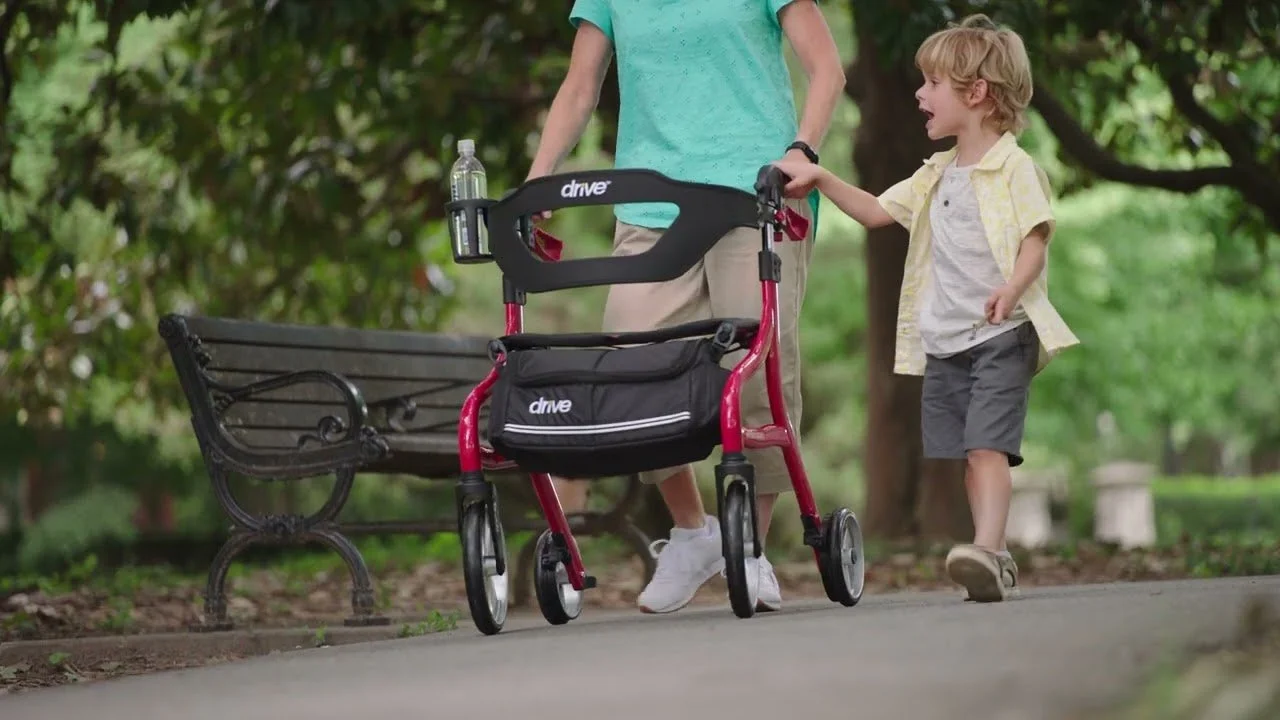
Stay Steady This Season: Save 10% on Rollators All Month Long
9/15/26
-
![Woman using ByAcre Carbon Overland rollator]()
How the Right Rollator or Walker Can Keep You Moving Safely
9/1/26
-
![Woman in Pride Jazzy Carbon HD in airport]()
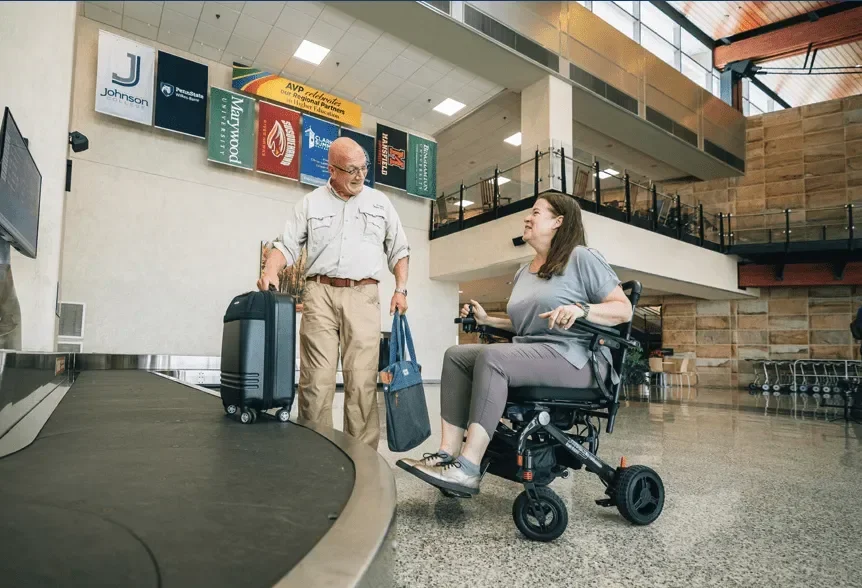
How Portable Power Wheelchairs Make Travel and Daily Errands Easier
8/28/26
-
![Smiling woman in sunglasses riding an electric wheelchair on a sidewalk in a park, holding a water bottle and a phone, with trees in the background.]()
A Beginner’s Guide to Electric Wheelchairs and Mobility Support
7/30/26
-
![Older man standing next to a red minivan with its back hatch open, loading a blue mobility scooter into the vehicle, in front of a large house with a tan facade and garage door.]()
Independence Elevated: How Mobility Vehicle Lifts Empower Everyday Life
7/14/26
-
![A mobility scooter parked behind a white SUV in a residential driveway, with a large brick house and green lawn in the background.]()
Regain Your Independence: Why a Vehicle Lift Can Transform Your Mobility
6/29/26
-
![Two women riding a mobility scooter outdoors with a view of orange rocky cliffs and a blue sky in the background.]()
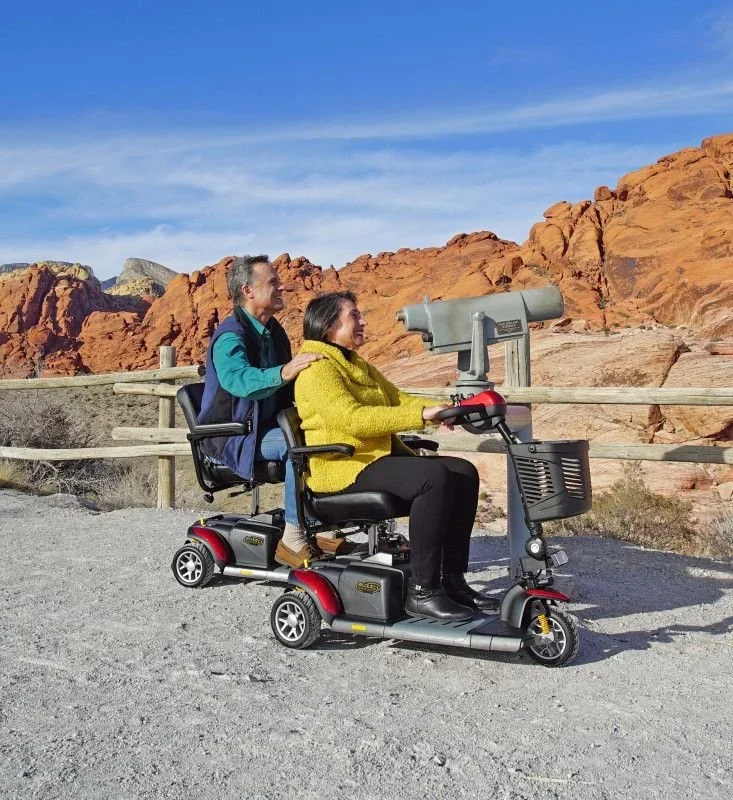
How to Pick Out the Right Mobility Scooter for Your Needs
6/15/26




Reviews
4.8 / 5 stars from 104 reviews!

-
![Photo of 5 stars]()
I want to give a shout out to the great people at Miller Mobility! ...The expertise of Val and Winnie in helping us choose the right bed and answering all the questions we had, was phenomenal...
- Helen Martin
-
![Photo of 5 stars]()
It is so refreshing to find a company like Miller Mobility. This is our 2nd time to purchase a stair lift from Miller. Nathan was so helpful and knowledgeable when we went to the store...
- Linda Vance
-
![Photo of 5 stars]()
Winnie and Morgan have been incredibly friendly and helpful to us every time we have come for a rental. We feel they genuinely care about us and want us to get the exact equipment we need...
- Sharon Peterson
-
![Photo of 5 stars]()
Sales reps were extremely helpful and polite. There was a very good selection of walkers. I was able to take home my brand new item (not a floor model) in good time. It is working very well. I am pleased with my choice...
-Marilyn Lawler
-
![Photo of 5 stars]()
Nathan from MillerMobility came out to the house for a service call on our lift chairs . He was very knowledgeable and worked very efficiently. The appointment was pre set and Nathan arrived promptly...
- Debbie McCarthy
-
![Photo of 5 stars]()
Jordan from Miller mobility products was an excellent sales person. ...I would have a recommend their company for any need you would have for a mobility product.
- Judy McMahon
-
![Photo of 5 stars]()
Helpful, friendly, quick service to get a walker tray for a not standard size walker. Was able to try it on to make sure it fit before purchasing.
- Deb Kutz
-
![Photo of 5 stars]()
Jordan and Jack were fantastic! Best experience! Would recommend, moved our furniture. They were true gentleman
- Jeff Ware
