By Val Miller
•
March 31, 2025
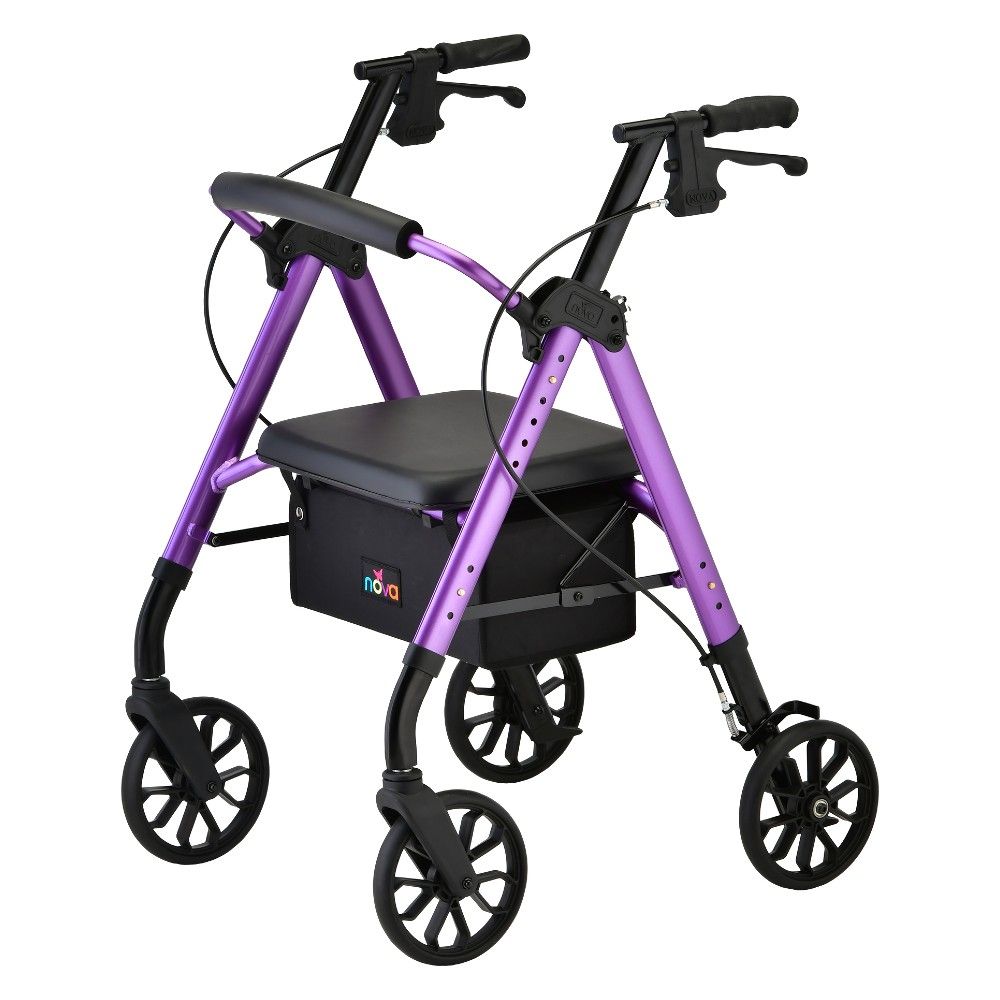
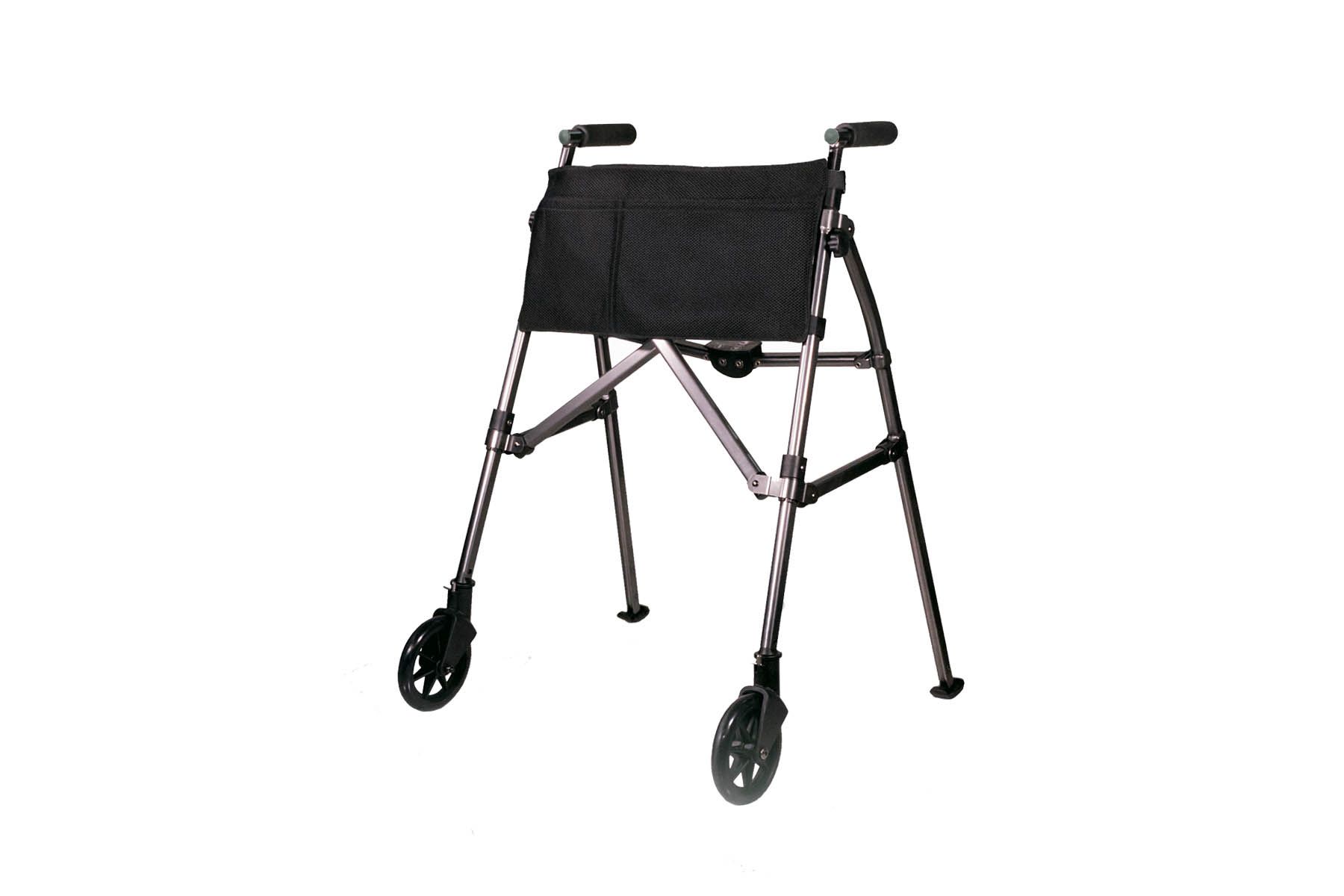
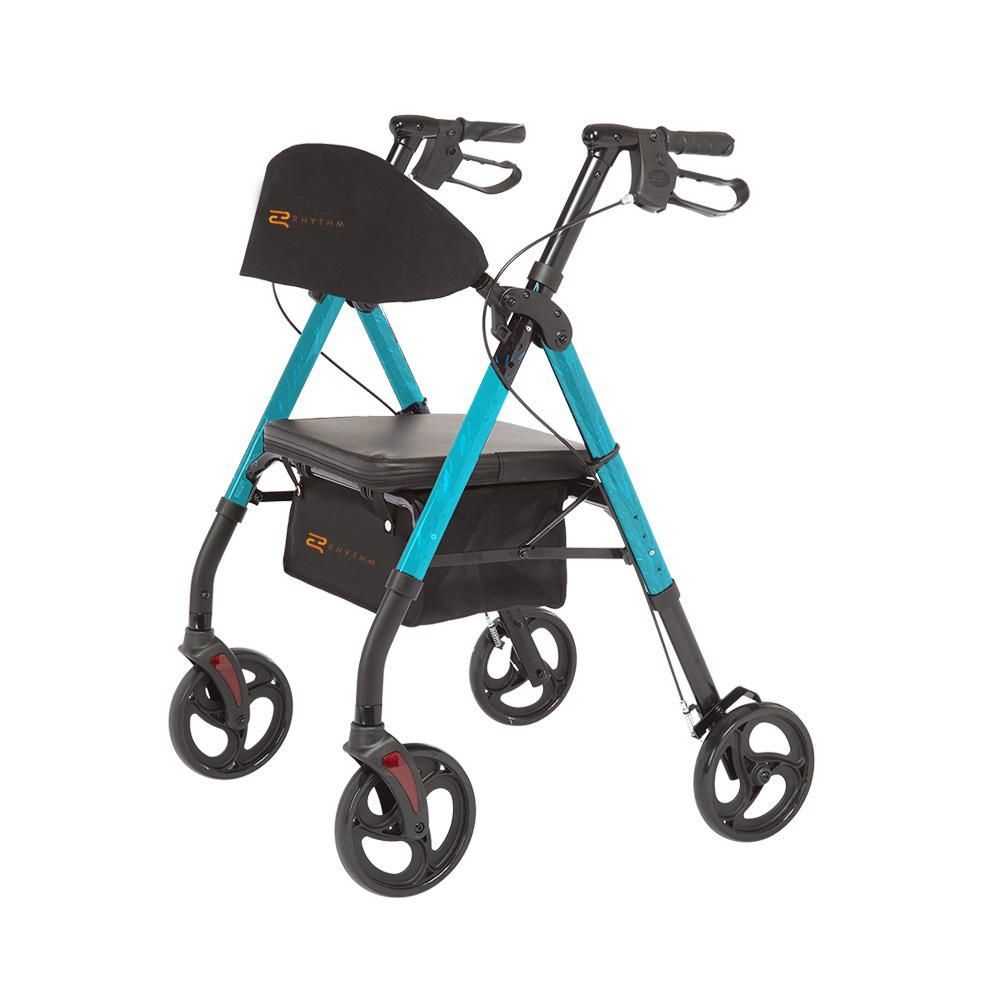
When it comes to improving your mobility and independence, choosing the right walker or rollator can make all the difference. These essential tools provide support, stability, and freedom to move around more comfortably. However, with various options available, it can be overwhelming to know which one is best for you. Whether you’re recovering from an injury, dealing with a chronic condition, or simply looking to maintain mobility as you age, this guide will help you navigate the process of choosing the right walker or rollator for your needs. 1. Understand the Difference: Walker vs. Rollator Before diving into the features of each, it’s important to understand the difference between a walker and a rollator. Walker: A walker typically has four legs and no wheels. It provides the most stability and is ideal for those who need extra support and can bear weight on their legs. Walkers are usually best for individuals who have good strength in their arms and are comfortable lifting the walker to move forward. Rollator: A rollator is a type of walker that comes with wheels—usually four—and often includes additional features like a seat, brakes, and a basket or pouch for carrying personal items. Rollators are great for people who need support while walking but may not have the strength to lift a standard walker. They offer more flexibility and mobility for those who are on the go or need to take frequent breaks. 2. Consider Your Mobility Needs Your specific mobility needs will largely determine which type of walking aid is best suited for you. If you need more support: If you're someone who requires stability and strength while walking, a traditional walker may be the right option. Walkers are perfect for those who are just beginning to regain mobility, are recovering from surgery, or need extra balance support. If you want more independence and comfort: If you’re able to walk but find it tiring or need a place to sit and rest, a rollator might be a better choice. Rollators allow you to move around with ease, take breaks on a comfortable seat, and store personal items in a convenient basket or pouch. 3. Assess Your Environment Think about where you'll be using your walker or rollator most often. Indoor Use: If you mostly use your walker indoors, you might want something that is lightweight and compact. A smaller, more maneuverable walker or rollator will be easier to navigate through doorways, narrow hallways, and tight spaces. Outdoor Use: For outdoor use, consider a rollator with larger wheels, which provide better stability on uneven terrain such as sidewalks, grass, or gravel. Rollators with larger wheels also help absorb shock, making for a smoother ride when walking on rougher surfaces. 4. Evaluate Features for Comfort and Convenience When choosing a walker or rollator, comfort and convenience are key factors to consider. Look for these features to ensure the best experience: Height Adjustability: Ensure that the walker or rollator can be adjusted to your height for a comfortable walking posture. Your arms should be slightly bent when holding onto the handles, with your hands at wrist level. Brakes: Rollators typically come with hand brakes, which are important for safety. They help you stop the rollator when you're resting or need to secure it in place. Look for rollators with easy-to-use, reliable brakes. Seat: If you need to rest during your walks, a rollator with a padded seat will provide a comfortable spot to sit down. Make sure the seat is well-positioned and sturdy. Storage: Many rollators come with a basket, pouch, or backrest to help carry personal items, such as a purse, water bottle, or medications. This added feature can be very helpful when you’re out and about. Weight Capacity: Always check the weight capacity of the walker or rollator to ensure it suits your needs. Rollators generally have higher weight limits, which is especially important if you need a heavier-duty option. 5. Think About Portability If you plan on traveling with your walker or rollator, portability is an important factor. Rollators often fold for easy storage and transport, so if you frequently travel or need to take your mobility aid in the car, make sure it’s lightweight and foldable for convenience. 6. Test for Stability and Ease of Use Before making a final decision, test out the walker or rollator to ensure it feels stable and easy to use. Check the stability of the handles and make sure it’s easy to grip and maneuver. For rollators, check the brakes to ensure they work smoothly and securely. If possible, ask for a demo in-store or consult with a healthcare professional to find the best fit for your needs. 7. Consult a Professional If you’re unsure which option is best for you, consult with a healthcare professional such as a physical therapist or doctor. They can provide expert guidance based on your physical condition and recommend the best type of mobility aid to suit your specific needs. Choosing the right walker or rollator can significantly improve your quality of life, providing the stability, comfort, and independence you need to stay active and engaged in your daily activities. By considering your mobility needs, environment, comfort preferences, and convenience, you’ll be able to find the perfect walking aid to meet your lifestyle. Remember, whether you go for a sturdy walker or a versatile rollator, it’s about finding the right balance of support, convenience, and comfort that fits your life. If you’re ready to make a purchase, don’t hesitate to reach out to us at Miller Mobility. We can help you select the right option for you! Check out the rollators and walkers that we carry. Or give us a call at: 262-549-4900.