Signs It’s Time to Transition from a Cane to a Walker or Rollator

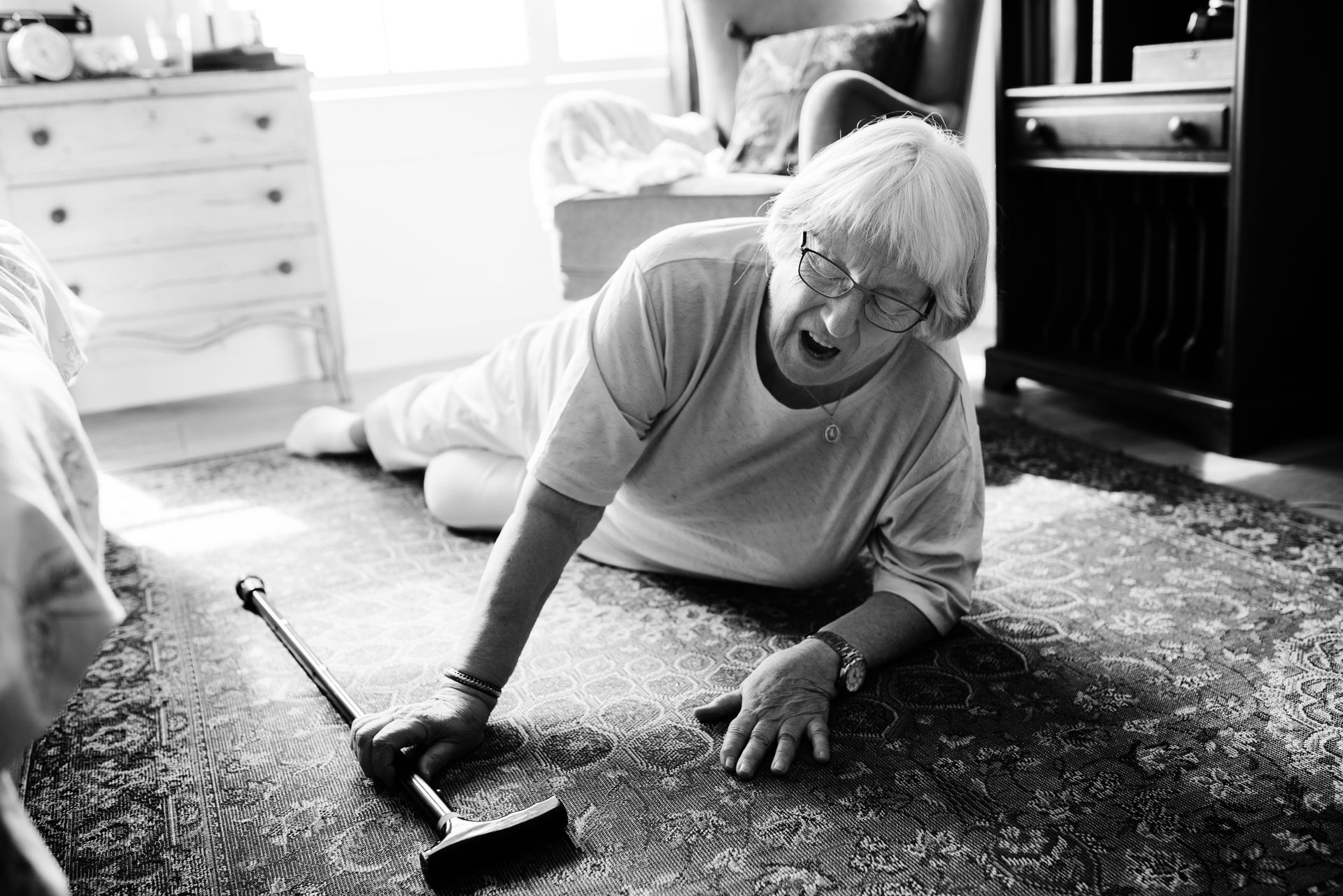
For many people, a cane can be the first step toward maintaining independence and mobility. But while canes provide a certain level of balance and support, they aren’t always enough in the long run. In fact, using a cane longer than necessary can actually increase your risk of falls. Recognizing when it’s time to move from a cane to a walker or rollator is an important part of staying safe and active.
Why the Transition Matters
Mobility aids are designed to meet you where you are in your journey. A cane may give just enough stability at first, but if your balance, endurance, or strength change over time, it may no longer provide the support you need. Transitioning at the right time helps prevent falls, reduces strain on your body, and allows you to move with more confidence.
Signs It’s Time to Upgrade Your Support
Here are a few common indicators that you may benefit from switching to a walker or rollator:
- Frequent Stumbles or Near-Falls
If you find yourself tripping, stumbling, or catching your balance more often, your cane may not be giving you enough stability. - Leaning Too Much on Your Cane
A cane should assist—not carry—your weight. If you’re putting significant pressure on it or your wrist/shoulder hurts after use, it may be time to upgrade. - Tiring Quickly on Walks
If even short trips leave you feeling exhausted, a walker or rollator can help conserve energy by offering more reliable support. - Difficulty Moving Around the House
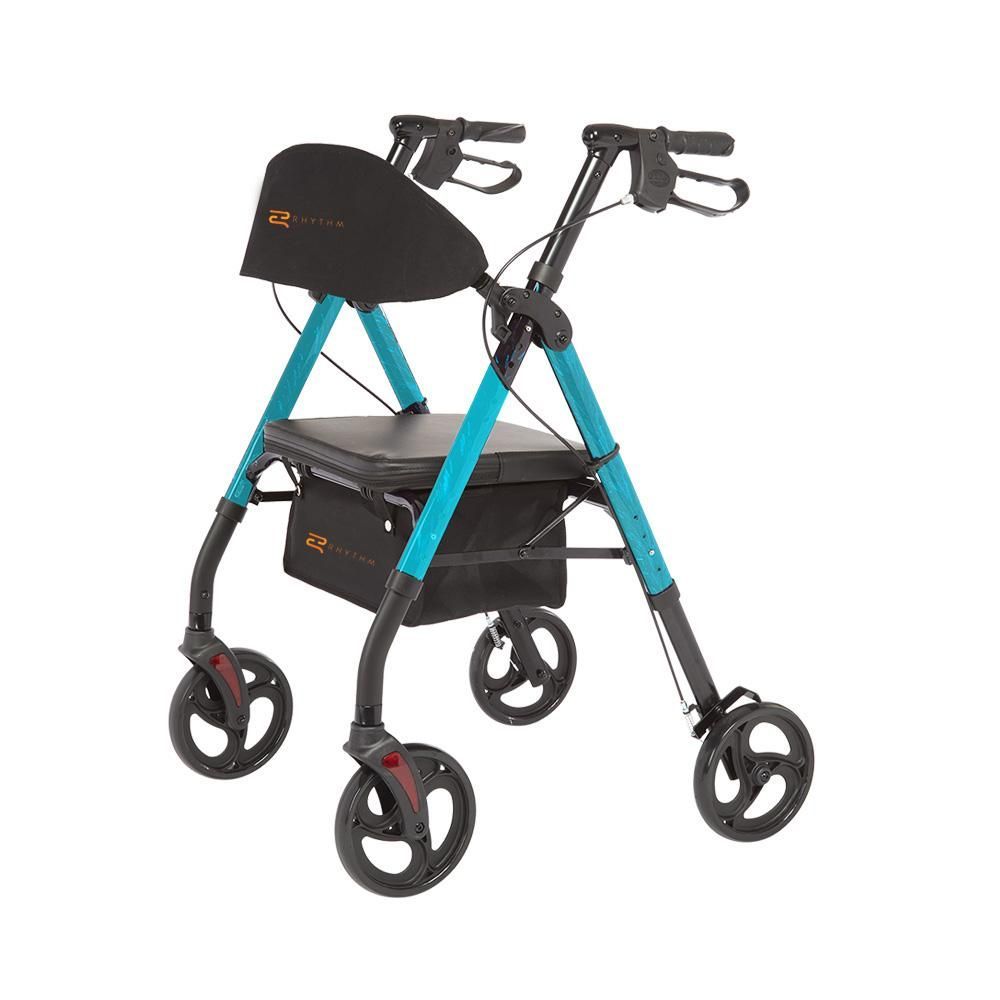
Struggling with daily tasks like carrying items, cooking, or moving between rooms? A rollator with a seat or basket can make life much easier. - Advice from a Healthcare Provider
Physical therapists and doctors can often spot the need for a stronger mobility aid before you can. If they recommend a walker or rollator, it’s best to follow their guidance.
Walker vs. Rollator: What’s the Difference?
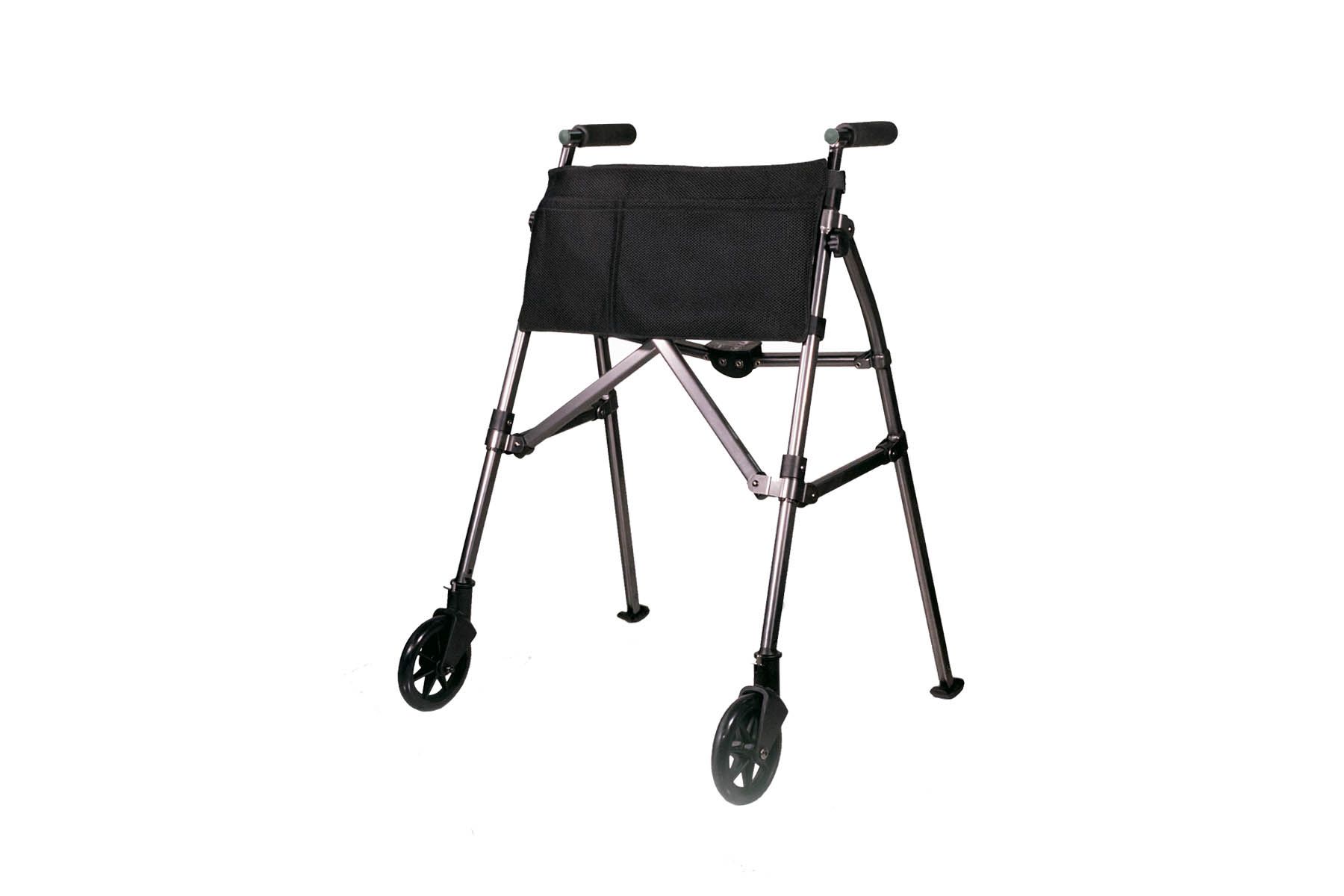
- Walker – Best for maximum stability. These are typically lightweight, easy to maneuver, and ideal if balance is your biggest concern.
- Rollator – Best for independence and mobility. Rollators come with wheels, hand brakes, and often a seat for resting. They’re perfect if you’re active but need extra support for longer distances.
Don’t Wait Until After a Fall
Making the switch sooner rather than later can help prevent serious injuries. Remember, mobility aids aren’t about “losing independence”—they’re tools that help you stay active, confident, and safe.