How to Choose the Best Wheelchair for Your Lifestyle
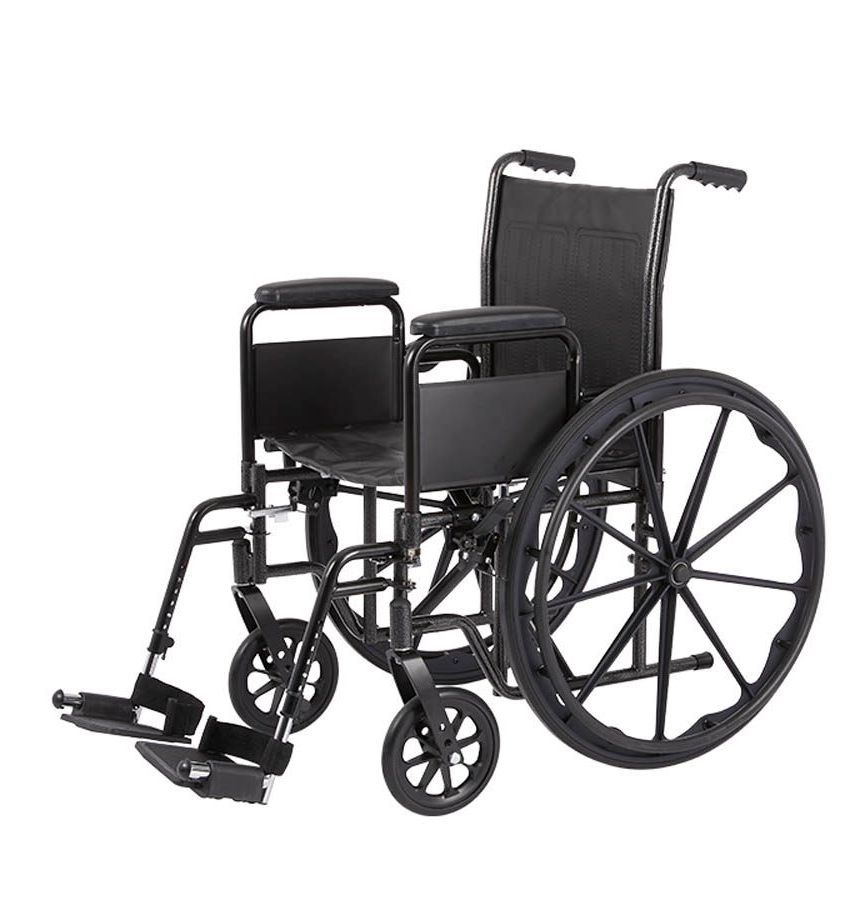
Choosing the right wheelchair can significantly enhance your mobility, independence, and quality of life. With so many options available, selecting the best wheelchair for your lifestyle requires careful consideration of your personal needs and preferences. Whether you’re looking for a manual wheelchair for everyday use or an electric wheelchair for long-distance travel, this guide will help you navigate the process.
1. Assess Your Needs and Mobility
Before making a decision, assess how much mobility support you need. Consider the following questions:
- Do you need assistance with most movements, or can you self-propel?
If you have limited or no ability to propel a manual wheelchair, an electric wheelchair may be a better option. - Will you use the wheelchair indoors, outdoors, or both?
If you spend a lot of time outdoors or need to travel over rough terrain, an all-terrain wheelchair is ideal. For indoor use, a more compact, lightweight wheelchair is recommended.
2. Consider Manual vs. Power Wheelchairs
- Manual Wheelchairs:
These are propelled by the user or an attendant. They are generally more affordable, lighter, and easier to transport. If you have upper body strength and are looking for a budget-friendly option, a manual wheelchair could be the best choice. - Power (Electric) Wheelchairs:
These are motorized and controlled with a joystick. Ideal for users who have limited strength or endurance, power wheelchairs offer more independence for longer distances. They are more expensive than manual wheelchairs, but their convenience and power make them a popular choice for those who need assistance with mobility.
3. Weight and Portability
If you travel often or need to store your wheelchair in tight spaces, weight and portability are important factors to consider:
- Lightweight Manual Wheelchairs:
For easy portability, a lightweight manual wheelchair is perfect. Some models weigh as little as 15 to 20 lbs, making them easy to lift and transport in vehicles or on public transportation. - Folding Wheelchairs:
These can be folded into a compact form for storage or travel. They are ideal for people who need a wheelchair that’s easy to store when not in use.
If you prefer a power wheelchair, make sure to check if it’s foldable and fits into your vehicle.
4. Consider Comfort and Support
Your wheelchair will be a big part of your daily life, so comfort is key. Look for features that will keep you comfortable, such as:
- Cushioned Seats and Backrests:
Choose a wheelchair with a comfortable seat cushion and backrest to reduce pressure sores and increase comfort during long periods of use. - Adjustable Features:
Look for adjustable armrests, footrests, and backrests to ensure that the wheelchair can be customized to your body for maximum comfort. - Support for Posture:
If you have any spinal issues or need extra support for posture, consider a wheelchair that provides better spinal alignment and overall back support.
5. Terrain and Outdoor Use
If you plan on using your wheelchair outdoors, consider the type of terrain you will be navigating. Some wheelchairs are specifically designed for all-terrain use and are equipped with larger, more durable wheels for better stability and traction. These are perfect for outdoor enthusiasts who want to explore parks, trails, or other rough terrains.
On the other hand, if you mostly use your wheelchair indoors or on smooth, paved surfaces, a wheelchair with smaller, more maneuverable wheels will provide a more comfortable and efficient experience.
6. Budget and Insurance Coverage
The cost of a wheelchair can vary widely depending on the type and features. Manual wheelchairs tend to be more affordable than power wheelchairs, but specialized features or customizations can drive up the price. Be sure to:
- Check Insurance Coverage:
Some insurance policies may cover the cost of a wheelchair, but coverage can vary. Be sure to verify with your insurance provider whether your wheelchair of choice is eligible for reimbursement. - Consider Long-Term Value:
While a high-quality wheelchair might come with a higher upfront cost, it can offer greater durability, comfort, and independence in the long run.
7. Test Before You Buy
Before making a final decision, it’s important to test out the wheelchair to ensure it meets your needs. Visit a store or speak with a supplier to test different models. Pay attention to:
- How easily the wheelchair moves and turns
- How comfortable the seat and backrest feel
- Whether the wheelchair fits in your home or car
8. Seek Professional Advice
Consult with a healthcare provider, physical therapist, or mobility expert to get advice tailored to your unique needs. They can help you select a wheelchair that provides the right balance of comfort, support, and functionality.
Choosing the best wheelchair for your lifestyle is a personal decision that depends on a variety of factors, including mobility needs, budget, and comfort preferences. By assessing your daily requirements and carefully considering the options, you can find a wheelchair that enhances your independence and supports your lifestyle. Whether you need a lightweight manual chair for everyday use or an all-terrain power wheelchair for outdoor adventures, the right chair will give you the freedom to move confidently and comfortably.
Call Miller Mobility at 262-549-4900
for expert help in finding the perfect wheelchair for you!
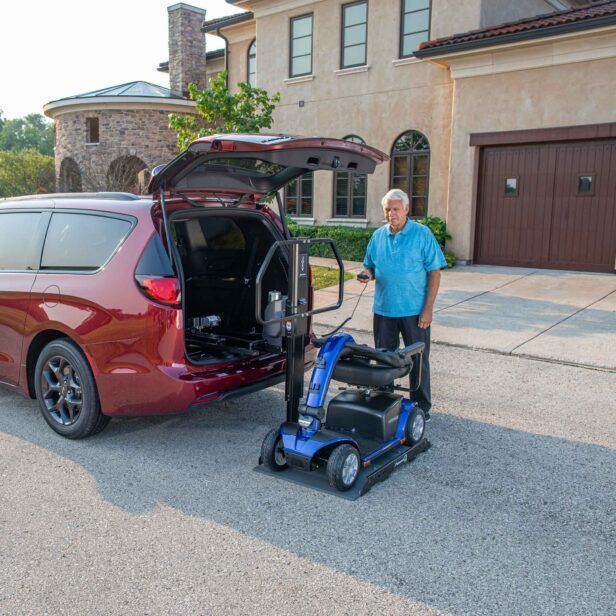
Independence Elevated: How Mobility Vehicle Lifts Empower Everyday Life
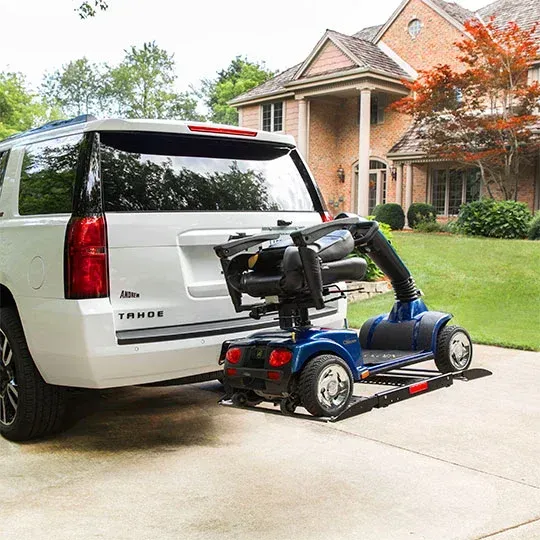
Regain Your Independence: Why a Vehicle Lift Can Transform Your Mobility
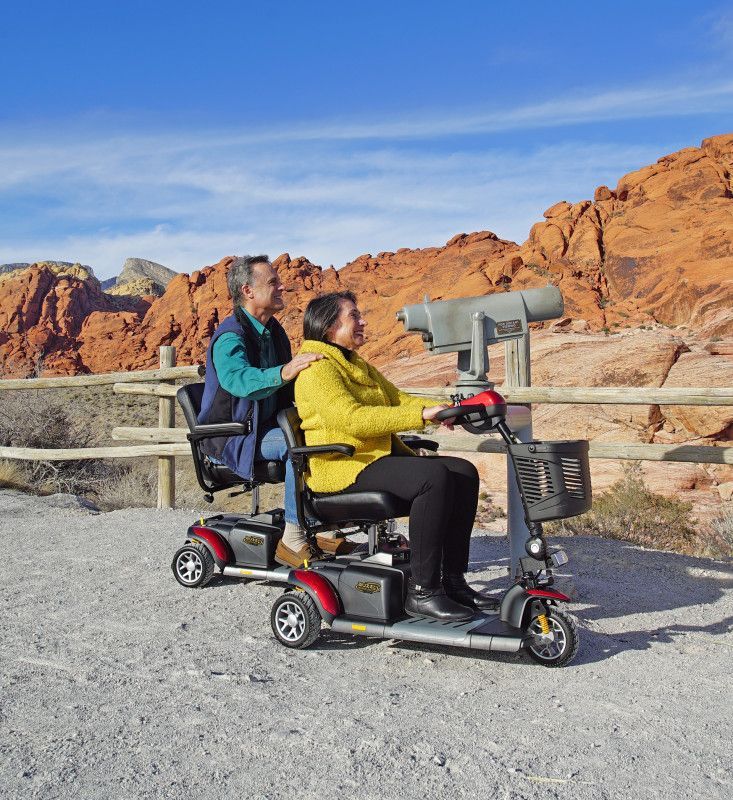
How to Pick Out the Right Mobility Scooter for Your Needs
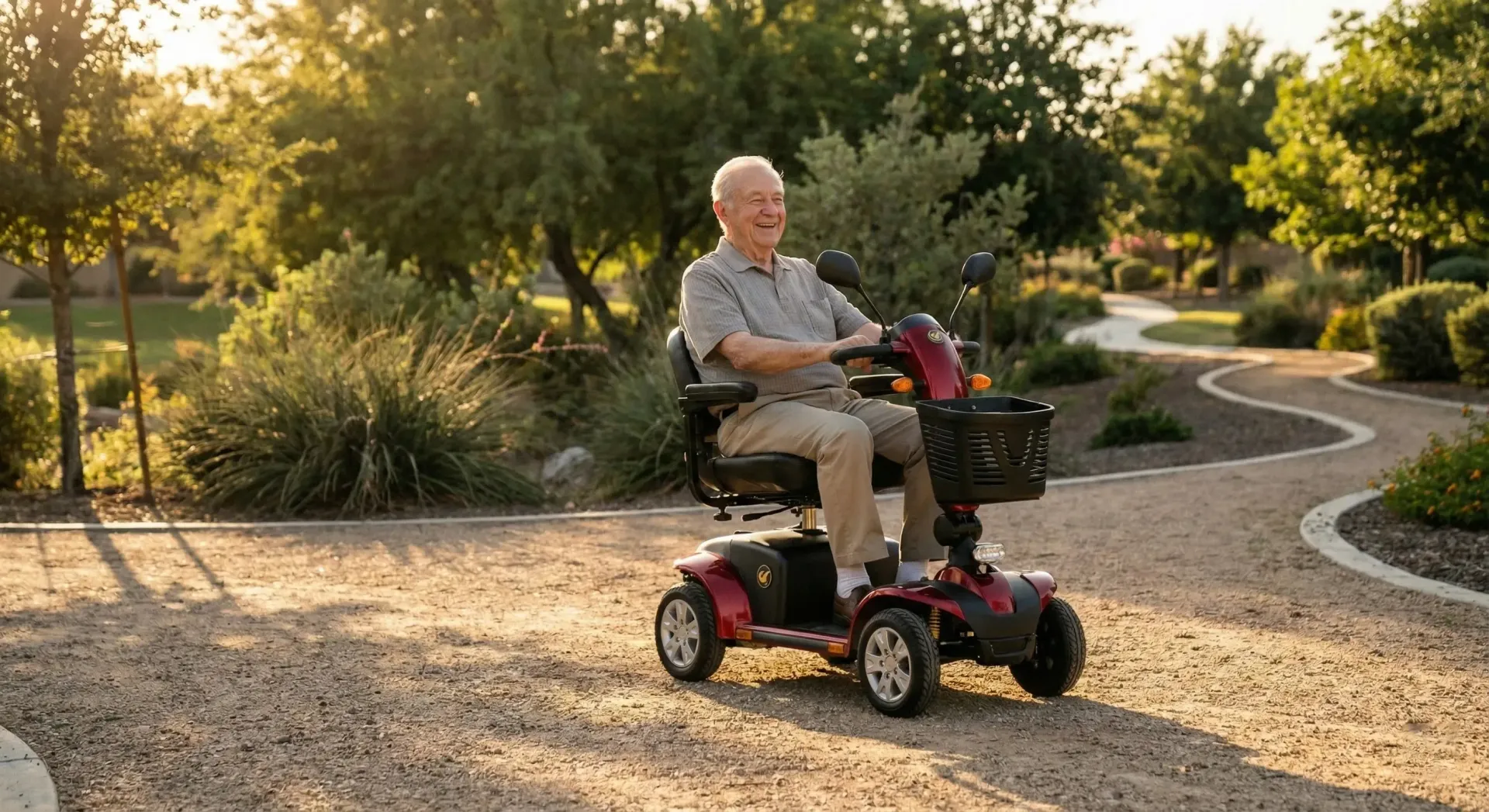
Scooters in the Summer: Your Guide to Staying Active, Cool, and Confident All Season Long

Your May Mobility Guide: Staying Safe, Active, and Independent Outdoors

Rollators—also called rolling walkers—are one of the most effective mobility aids for staying active, steady, and independent. They combine stability, comfort, and ease of movement in a way traditional walkers simply can’t. If you or a loved one is looking for safer, more confident mobility at home or outdoors, a rollator may be the perfect fit. And this month, our Deal of the Month makes it even easier: 👉 All rollators are 10% off for a limited time. What Is a Rollator? A rollator is a mobility aid with three or four wheels, hand brakes, and a built‑in seat for resting. Unlike a standard walker, which must be lifted with each step, a rollator rolls smoothly—reducing fatigue and making walking feel more natural. Key features typically include: Adjustable handlebars A padded seat and backrest Storage basket or bag Easy‑squeeze hand brakes Lightweight, foldable frame Rollator vs. Walker: What’s the Difference? People often search for the difference between walkers and rollators. Here’s the simple breakdown: Walkers: No wheels or small front wheels; must be lifted; best for people who need heavy weight‑bearing support. Rollators: Fully wheeled; no lifting; built‑in seat; easier for longer distances and outdoor use. Studies show rollators help users walk farther with less energy compared to non‑wheeled walkers. Who Should Use a Rollator? Rollators are ideal for people who: Have mild to moderate balance issues Tire easily and need a place to rest Want support on both sides of the body Want to stay active indoors and outdoors Need stability but don’t need to lean heavily on the device for weight‑bearing They’re especially helpful for seniors, people recovering from surgery, and individuals with conditions like arthritis, MS, or Parkinson’s. Types of Rollators Different rollators meet different needs. The most common types include: 3‑Wheel Rollators Lightweight, compact, and great for tight spaces. 4‑Wheel Rollators Maximum stability, a full seat, and storage—ideal for everyday use. Bariatric Rollators Wider, reinforced frames for higher weight capacity and added comfort. Upright Rollators Designed to reduce hunching and support a more natural, upright posture. Key Features to Look For When choosing a rollator, consider: Brake quality for safety Seat height and comfort Handlebar adjustability Wheel size (larger wheels = better outdoors) Weight capacity Foldability for transport and storage These features help ensure the rollator fits your body and lifestyle. Are Rollators Safe? Yes—when used correctly. Rollators improve stability, reduce fall risk, and help users walk longer distances without fatigue. They’re considered one of the most effective mobility aids for maintaining independence. Why a Rollator Can Improve Daily Life People often underestimate how much mobility affects confidence, mood, and independence. Rollators help users: Stay active Move safely indoors and outdoors Enjoy errands, walks, and social outings Reduce fear of falling Maintain strength and independence Many users report wishing they had gotten one sooner because of the freedom it brings. Deal of the Month: 10% Off All Rollators If you’ve been considering a rollator, this month is the perfect time. Our Deal of the Month gives you 10% off all rollators, including 3‑wheel, 4‑wheel, bariatric, and upright models. Whether you’re shopping for yourself or a loved one, we’re here to help you find the right fit.

🌼 Spring May Be Slow… But Your Mobility Doesn’t Have to Be As winter finally loosens its grip, many of us feel that familiar itch to get outside, reconnect with loved ones, and enjoy the fresh start that spring promises. But when mobility challenges make even simple outings feel difficult, the season’s slow arrival can feel even slower. The good news? You don’t have to wait for perfect weather—or perfect circumstances—to start moving with confidence again. At Miller Mobility, we believe independence shouldn’t be seasonal. Whether spring shows up early or takes its sweet time, your ability to stay active, connected, and comfortable can begin right now. 🌱 Why Spring Is the Perfect Time to Reclaim Your Mobility Spring naturally inspires renewal. It’s a season of fresh starts, small steps, and gentle momentum. For many families, it’s also a time to reassess what’s working at home—and what could make life easier. Here’s why this season is ideal for exploring mobility support: 🌤️ More daylight, more opportunities Even if temperatures are still chilly, longer days make it easier to run errands, visit friends, or simply enjoy a change of scenery. 🌼 Outdoor spaces become more inviting Parks, gardens, and walking paths slowly come back to life. With the right mobility aid, these spaces become accessible again. 🏡 Families start planning for summer Vacations, graduations, cookouts—spring is when families begin preparing for the busy months ahead. Ensuring safe, reliable mobility now means more freedom later. ⚡ Electric Wheelchairs: Confidence You Can Count On If walking long distances has become tiring—or if balance concerns make outings stressful—an electric wheelchair can be a life‑changing upgrade. Modern electric wheelchairs offer: Smooth, effortless movement indoors and outdoors Comfortable seating designed for long outings Compact turning radiuses for easy maneuvering at home Reliable battery life so you can go farther without worry Customizable features to match your lifestyle and needs They’re not just mobility devices—they’re independence boosters. And with our March promotion of 10% off electric wheelchairs , it’s a great time to explore your options. 🌷 Small Steps Toward a More Independent Spring You don’t need to overhaul your entire routine to feel more mobile. Sometimes, a few thoughtful changes make all the difference: ✔ Bring mobility indoors If getting around the house feels tiring, an electric wheelchair can help conserve energy for the activities you enjoy most. ✔ Reclaim your favorite outings Whether it’s a weekly grocery trip or a stroll through the garden center, mobility support helps you stay active without overexertion. ✔ Stay connected Mobility isn’t just physical—it’s emotional. Being able to visit family, attend events, or simply enjoy a sunny afternoon can lift your spirits and strengthen relationships. 💛 You Don’t Have to Wait for Spring to Feel Like Yourself Again Even if the weather is dragging its feet, your mobility doesn’t have to. With the right support, you can move through the season with confidence, comfort, and renewed independence. If you’re curious about electric wheelchairs—or want help choosing the right model—we’re here to guide you every step of the way. Our team is warm, knowledgeable, and committed to helping you stay safe and independent at home and beyond. Spring may be slow… but your mobility doesn’t have to be.

Choosing the right mobility device is a meaningful decision — one that shapes your comfort, independence, and confidence every day. For many people, an electric wheelchair becomes more than a mobility aid. It becomes a reliable partner that helps them stay active, connected, and engaged with the world around them. As spring arrives and life shifts outdoors again, it’s the perfect time to reassess what you or your loved one needs to feel safe and supported. If you’ve been wondering whether an electric wheelchair might be the right option, here are the signs that it could be a perfect fit — especially for those living in senior living communities. 🌱 Greater Independence With Less Effort Electric wheelchairs are designed for people who want to move freely without relying on upper‑body strength or caregiver assistance. With intuitive joystick controls and smooth maneuverability, they make it easy to: Navigate hallways, dining rooms, and activity spaces Move around the home without strain Enjoy outdoor paths, sidewalks, and courtyards Stay active even on days when energy levels are low For residents in senior living communities, this independence is especially empowering. It allows them to participate in daily activities, visit friends down the hall, and maintain a sense of autonomy that’s deeply important for emotional well‑being. 🌤️ Comfort That Supports All‑Day Use Comfort matters — especially for individuals who spend long periods seated. Electric wheelchairs offer features that make a real difference: Supportive, cushioned seating Adjustable armrests and footrests Smooth suspension for indoor and outdoor terrain Customizable positioning for posture and pressure relief In senior living communities, where residents often move between meals, activities, therapy sessions, and social gatherings, this all‑day comfort helps them stay engaged without fatigue or discomfort. 🌷 A Reliable Option for Outdoor Spring Activities Spring brings fresh air, community events, and more time outside. Electric wheelchairs are built to handle these seasonal changes with: Stronger motors for inclines and uneven surfaces Long‑lasting batteries for full days out Stable frames that keep you steady on varied terrain For senior living residents, this means easier access to outdoor patios, garden paths, walking trails, and family outings — without worrying about physical strain or limited stamina. 🌻 A Smart Choice for Long‑Term Mobility Needs For individuals with progressive conditions, chronic pain, or limited upper‑body strength, an electric wheelchair provides long‑term stability and peace of mind. It’s an investment in: Safety Comfort Independence Daily quality of life And with our March Deal of the Month — 10% off all electric wheelchairs — it’s also a financially smart time to explore your options. 🌸 When an Electric Wheelchair Is the Right Fit You may be ready for an electric wheelchair if you’re experiencing: Fatigue when using a manual wheelchair Difficulty navigating longer distances Balance or strength challenges A desire for more independence at home or in the community A lifestyle that includes frequent outings or full‑day mobility needs For many residents, an electric wheelchair becomes the key to staying active, social, and connected — both inside their community and beyond it. Spring is a season of renewal — a chance to make choices that help you or your loved one feel more confident, capable, and connected. Even a small change in mobility can make a big difference in how you experience each day — especially as spring brings new opportunities to get out and enjoy life.
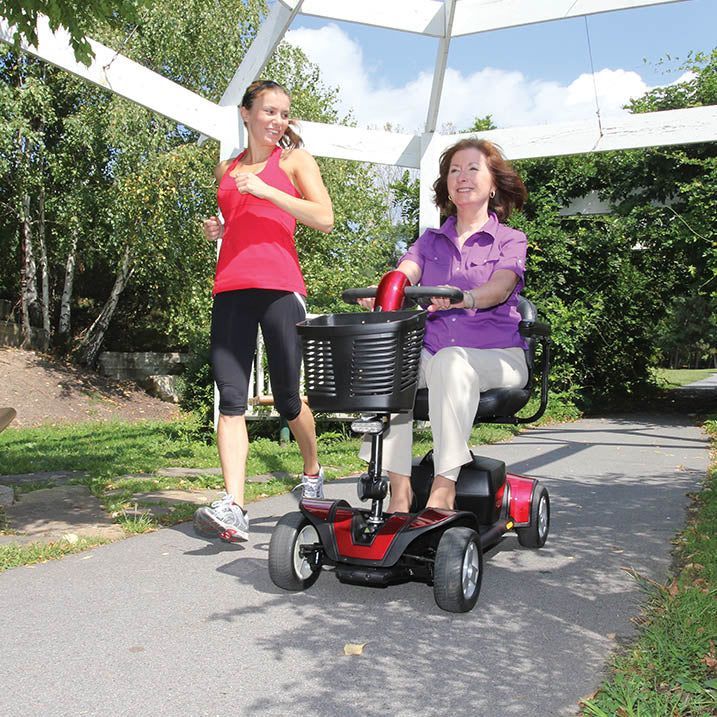
When a loved one starts needing help getting around, it’s normal to feel overwhelmed. Whether you’re researching stairlifts, scooters, rollators, or vehicle lifts, you want clear answers you can trust. This guide brings together the most common questions families ask — and the straightforward information that helps you make confident decisions. What mobility products help people stay independent at home? The most helpful mobility solutions for aging in place typically include: Stairlifts for safe, easy access to every floor Mobility scooters for longer distances or outdoor errands Rollators for balance, stability, and everyday movement Vehicle lifts for transporting scooters or power chairs Lift chairs for safe sitting and standing Each product supports independence in a different way. The right choice depends on mobility level, home layout, and daily routines. How do I know which mobility product is right for my loved one? Start by considering: Where they need support (stairs, long distances, balance, getting in/out of chairs) How often they’ll use the device Their comfort and confidence level Home layout (narrow stairs, tight hallways, entry steps) Transportation needs A mobility specialist can walk you through options, demonstrate products, and help match features to real‑life needs. Are stairlifts safe? Yes — modern stairlifts are designed with multiple safety features, including: Seatbelts Swivel seats Obstruction sensors Smooth start/stop motors Battery backup for power outages When installed by a trained technician and used correctly, stairlifts are one of the safest ways to navigate stairs. How much do mobility products cost? Prices vary depending on the product and features: Stairlifts: typically range from basic straight models to custom curved systems Scooters: vary by size, weight capacity, and portability Rollators: affordable and available in many styles Vehicle lifts: depend on lift type and vehicle compatibility Many families are surprised to learn that staying at home with the right mobility equipment is often far more affordable than moving to assisted living. Do mobility products require maintenance? Most devices need simple, routine care: Keep stairlift tracks clean Charge scooters regularly Check rollator brakes and wheels Have equipment inspected annually Regular maintenance keeps everything running safely and smoothly. How can families support independence without taking over? Small changes make a big difference: Encourage your loved one to use their mobility device daily Keep pathways clear and well‑lit Add grab bars or non‑slip mats where needed Ask what tasks they still want to do themselves Offer help in ways that protect dignity and confidence Mobility products aren’t just equipment — they’re tools that help people stay active, connected, and independent. Where can I get help choosing the right mobility solution? A local mobility store can provide: Personalized recommendations Product demonstrations Home assessments Professional installation Ongoing service and support Talking with a specialist ensures you’re choosing equipment that truly fits your loved one’s needs and lifestyle. Final Thoughts Mobility challenges don’t have to mean losing independence. With the right information and the right equipment, families can create a safer, more confident, and more comfortable home environment. If you’re just starting your research, this guide is a great place to begin — and a mobility expert can help you take the next step.

Reducing Fall Risks on the Stairs
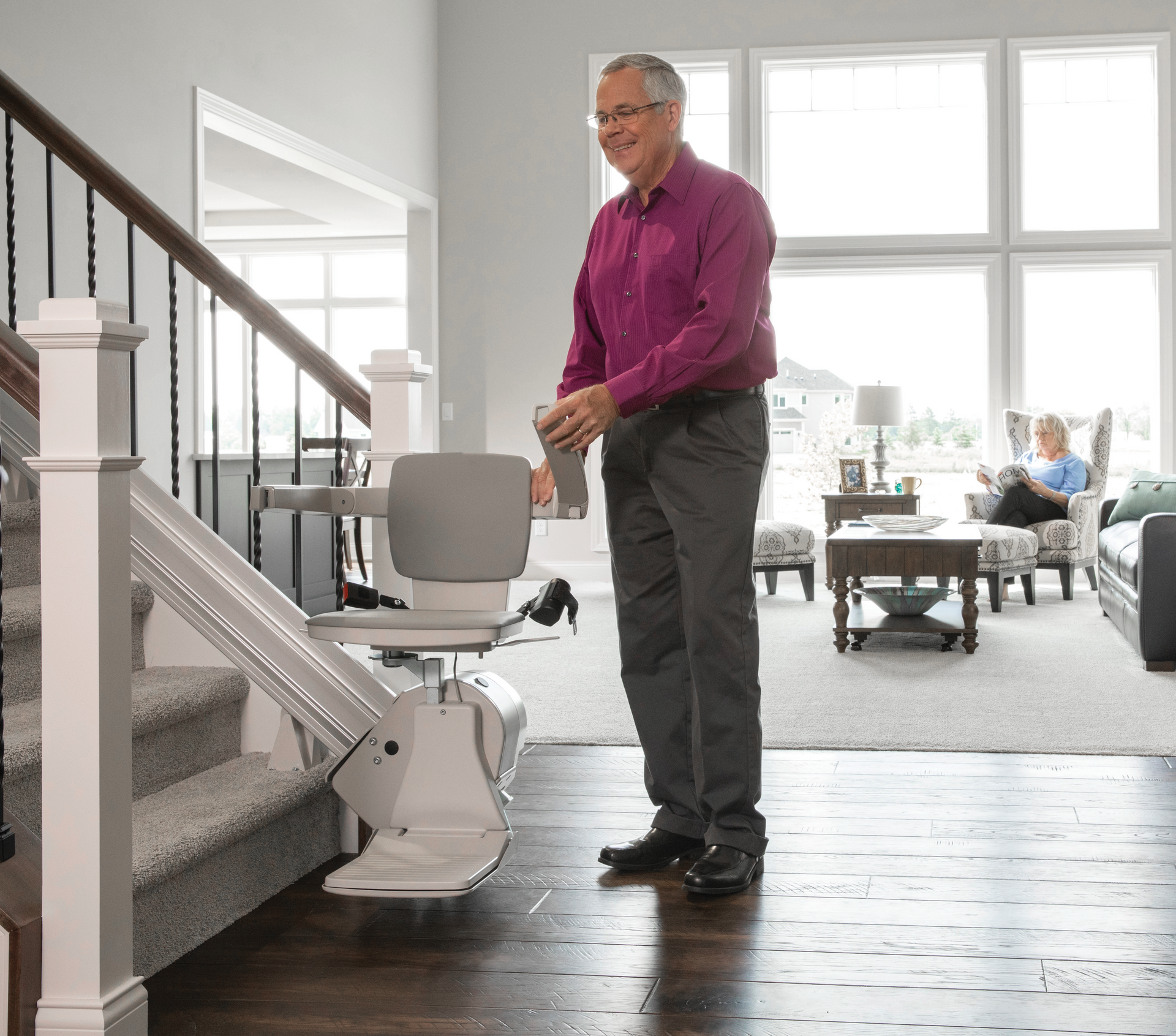
Why Staying at Home Starts With Safe, Confident Mobility A new year brings fresh goals, renewed motivation, and a chance to make life a little easier and more comfortable. For many older adults or anyone experiencing mobility challenges, one of the biggest goals is simple: stay at home safely for as long as possible . If stairs have become difficult, painful, or risky, a stairlift can be one of the most impactful upgrades you make this year—one that protects independence, reduces stress, and saves money compared to the cost of moving. 🏡 Staying at Home: The Goal That Matters Most Home isn’t just a place. It’s memories, routines, comfort, and community. But when mobility changes, stairs can quickly turn into a daily obstacle. Many families assume that the only solution is downsizing or moving to a single-level home, but that’s rarely the most affordable—or the most desired—option. A stairlift allows people to continue living in the home they love, without sacrificing safety or independence. 💪 Independence That Lasts A stairlift restores confidence and control in a way few other home modifications can. How a Stairlift Supports Independence Safe access to every floor Bedrooms, bathrooms, laundry rooms, and living spaces become fully accessible again. Reduced reliance on family or caregivers Loved ones can help when they want to—not because they have to. Daily routines stay intact Maintaining familiar habits supports emotional well‑being and dignity. Peace of mind for everyone Families know their loved one can navigate stairs safely, even when home alone. A stairlift isn’t just a mobility device—it’s a pathway to living life on your own terms. 💸 More Affordable Than Moving Moving is expensive, stressful, and often unnecessary. When you compare the costs, a stairlift is one of the most budget‑friendly solutions for long‑term independence. Why a Stairlift Is the Smarter Financial Choice No realtor fees, closing costs, or moving expenses These alone can add up to thousands. Avoid the high cost of senior living communities Assisted living can cost more per month than the price of a stairlift. No major home renovations required Stairlifts fit most staircases—straight or curved—without structural changes. Adds value to aging‑in‑place planning A one‑time investment supports safety for years to come. For many families, a stairlift is the most cost‑effective way to stay at home comfortably. ✨ A New Year, A Safer Home If you’ve been considering ways to make home safer and more accessible, the start of the year is the perfect time to take action. A stairlift can transform daily life—turning a once‑stressful staircase into a smooth, effortless part of your routine. Whether you’re planning for yourself or helping a loved one, a stairlift is a gift of independence, confidence, and peace of mind.
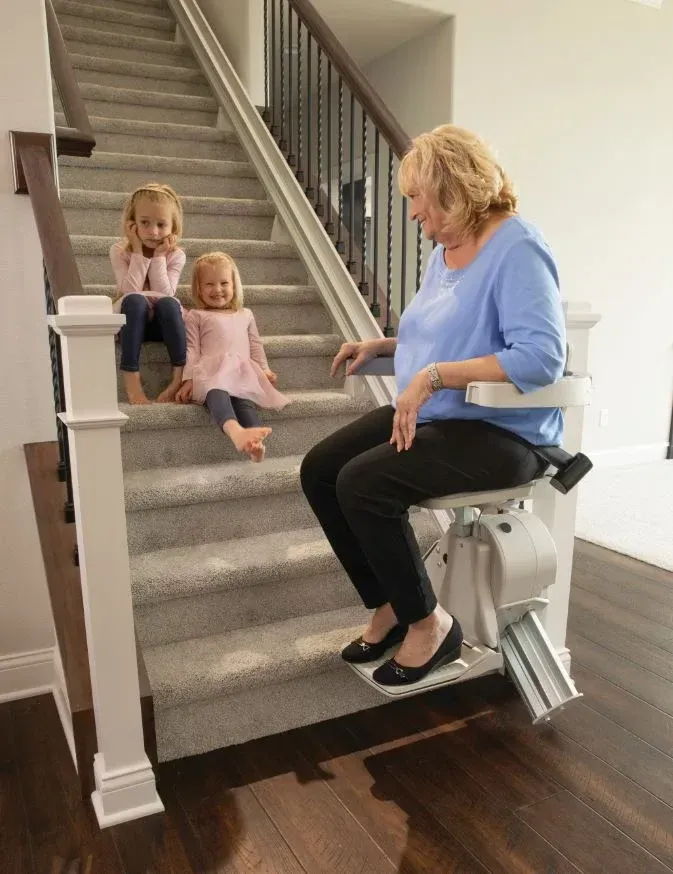
How Adults and Children Can Support Independence Safely For many families, the goal is simple: help loved ones stay in the home they cherish for as long as possible. Home is comfort, routine, and identity — but as mobility changes, everyday tasks like climbing stairs can become challenging or even risky. The good news is that with the right support, tools, and family involvement, independence at home can remain both safe and achievable. This guide explores how adults and children can work together to support aging parents or grandparents, and how solutions like stairlifts can make a meaningful difference. 🌟 Why Supporting Independence Matters Independence isn’t just about physical ability — it’s about dignity, confidence, and emotional well‑being. When older adults feel capable in their own homes, they’re more likely to stay active, engaged, and positive. Families play a crucial role in making that possible. Small acts of support, paired with smart mobility solutions, can dramatically reduce risks and help loved ones stay where they feel most comfortable. 🧒 👨👩👧 How the Whole Family Can Help Supporting independence isn’t only the responsibility of adult caregivers. Children, teens, and extended family members can all contribute in meaningful ways. Adults Can: Identify mobility challenges early Pay attention to signs like hesitation on stairs, holding railings tightly, or avoiding certain rooms. Have open, respectful conversations Ask how they’re feeling about daily tasks and what would make life easier. Arrange home safety assessments A mobility specialist can spot risks and recommend solutions such as stairlifts, grab bars, or improved lighting. Coordinate appointments and installations Whether it’s a stairlift consultation or a routine check‑in, adults can handle the logistics. Children and Teens Can: Offer companionship A simple visit, shared activity, or conversation can boost confidence and reduce feelings of isolation. Help with light tasks Bringing items from upstairs, carrying laundry, or fetching things from high shelves can reduce strain. Learn and practice safety habits Keeping hallways clear, picking up toys, and understanding how mobility equipment works helps create a safer home for everyone. 🪜 Where Stairlifts Fit Into the Picture Stairs are one of the most common barriers to staying at home. A stairlift can transform that challenge into a safe, effortless part of daily life. How Stairlifts Support Independence Reduce fall risk — one of the biggest concerns for aging adults Restore access to bedrooms, bathrooms, and living spaces Provide comfort and confidence with smooth, quiet operation Offer peace of mind for the entire family Whether the staircase is straight, curved, or outdoors, modern stairlifts are designed to fit seamlessly into the home without major renovations. 🧭 Signs It Might Be Time to Consider a Stairlift Families often wait longer than necessary before exploring mobility solutions. Consider a stairlift if your loved one: Avoids using the stairs Sleeps on the couch to avoid going upstairs Has had a fall or near‑fall Experiences pain, fatigue, or shortness of breath on stairs Relies on others to move between floors Early action can prevent accidents and help maintain independence. ❤️ Creating a Safe, Supportive Home Together Helping a loved one stay at home longer is a team effort. With open communication, shared responsibilities, and the right mobility tools, families can create an environment where older adults feel secure, respected, and empowered. A stairlift isn’t just a piece of equipment — it’s a pathway to comfort, confidence, and continued independence at home.

Host holiday gatherings safely and comfortably for seniors. Learn furniture arrangement tips, accessible spaces, and mobility-friendly entertaining ideas.

Discover thoughtful and practical holiday gifts for seniors. Explore mobility aids, comfort items, adaptive tools, and safety products — plus seasonal deals at Miller Mobility.

Make holiday cooking simple with quick, delicious Christmas dinner and dessert recipes everyone will love.
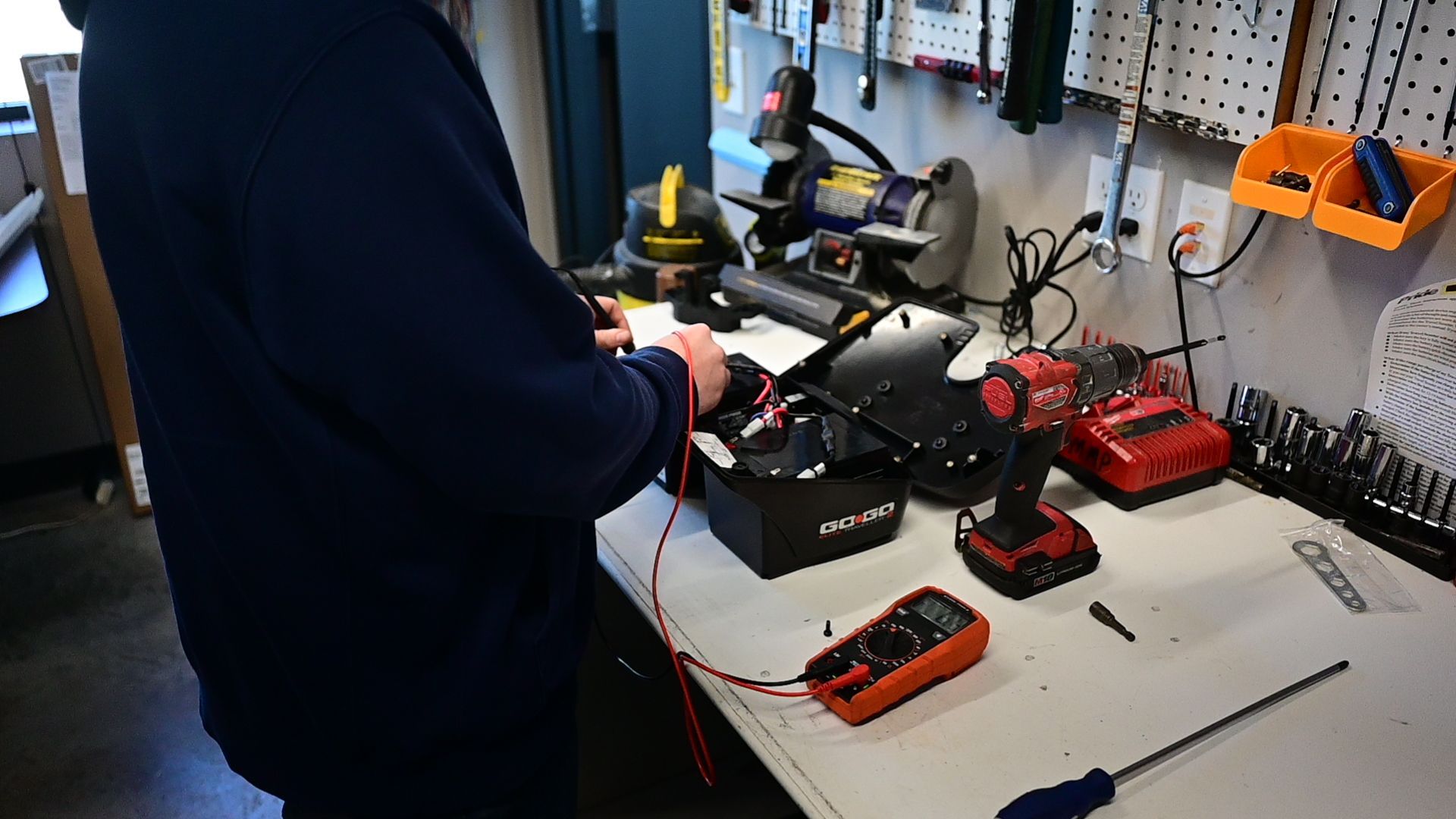
We diagnose the issue, contact the manufacturer, and handle your repair or replacement. Experience stress-free warranty support you can rely on.

Make holiday prep safe and stress-free for seniors. Get tips for cooking, decorating, and shopping with ease — plus mobility products that reduce strain and boost accessibility.
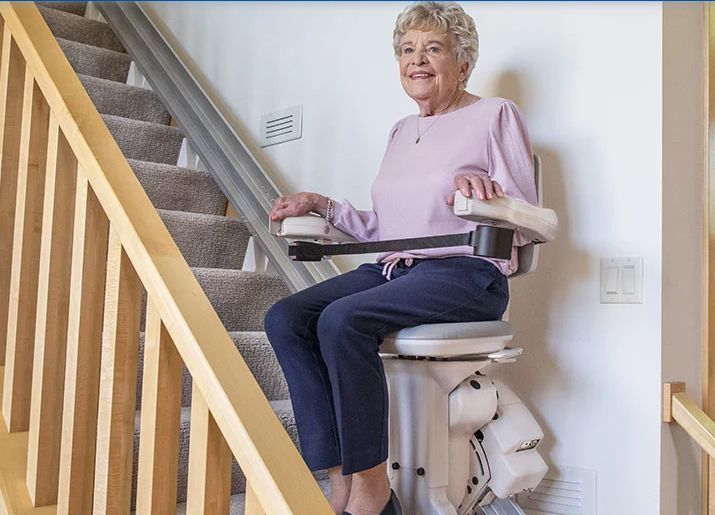
Considering moving due to mobility challenges? Learn why a stairlift is a safer, more convenient, and cost-effective solution.

Discover safe and fun holiday activities for seniors at home. Explore crafts, games, and social ideas designed for comfort and accessibility during winter.

Prevent winter falls with practical safety tips for seniors. Learn how stairlifts, ramps, and grab bars reduce risks during icy, slippery holiday months.

At Miller Mobility, our team helps you choose, compare, and track down the perfect lift chair, stairlift, or accessory—without stress or guesswork.

Looking for holiday recipe inspiration? Explore simple, cozy, and flavorful dishes for every celebration. Perfect for family dinners and festive parties.
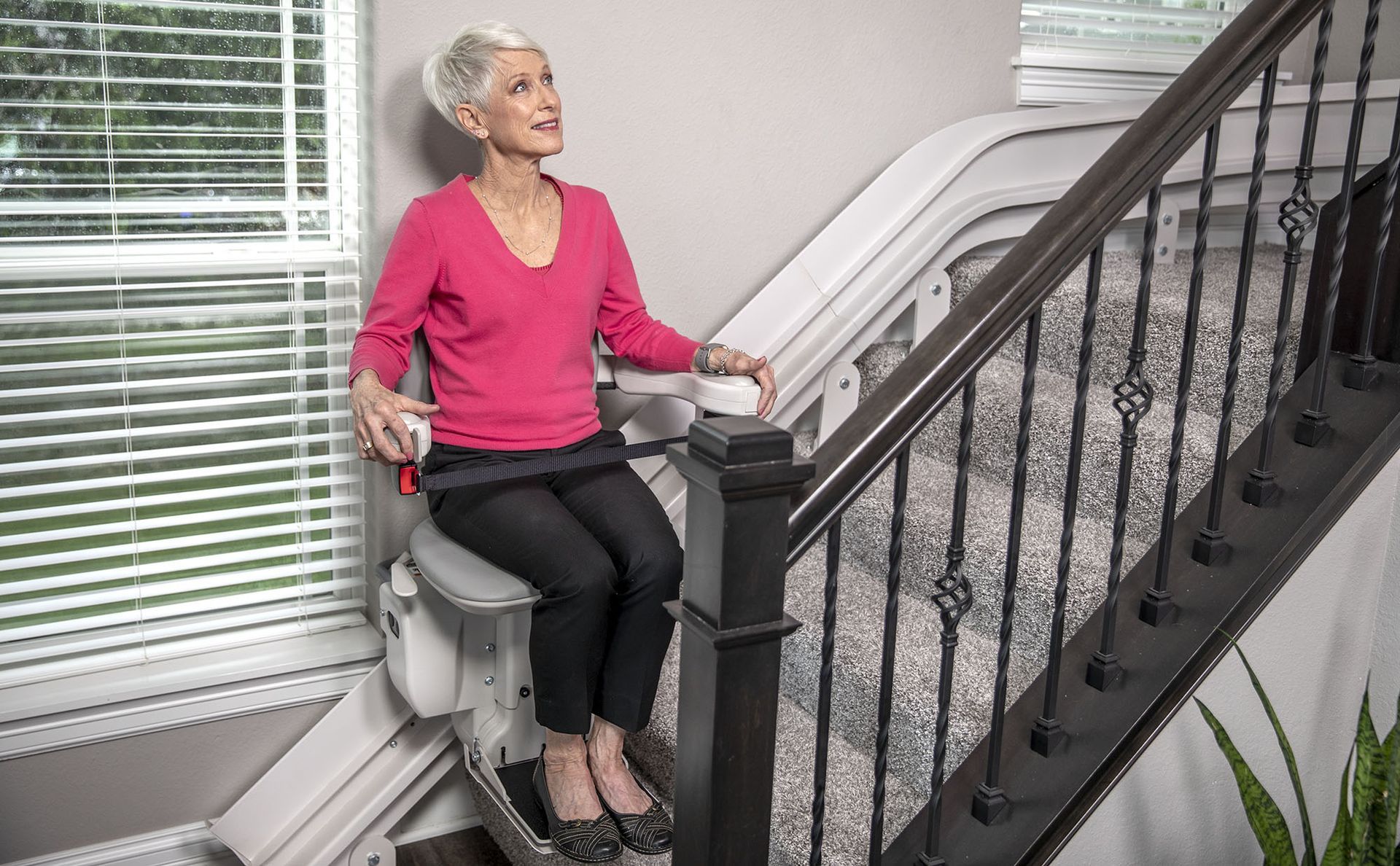
Find the perfect mobility product with expert guidance from Miller Mobility. Whether you need a lift chair, stairlift, scooter, or walker, we help you compare models, test options in our showroom, and choose the right fit for your home and lifestyle.

Affordable stairlifts for Wisconsin veterans. Learn about grants, discounts, and support options from Miller Mobility to make homes safer and more accessible.

Travel with confidence this holiday season. Discover mobility tips, vehicle lifts, and portable scooters from Miller Mobility to make your holiday trips safe, easy, and stress-free.

Try before you buy! Visit our showroom to test lift chairs, stairlifts, and scooters with expert guidance—no appointment needed. 262-549-4900.

Arthritis doesn’t mean giving up independence. Lift chairs, stairlifts, walkers, and scooters help you move safely and comfortably every day.
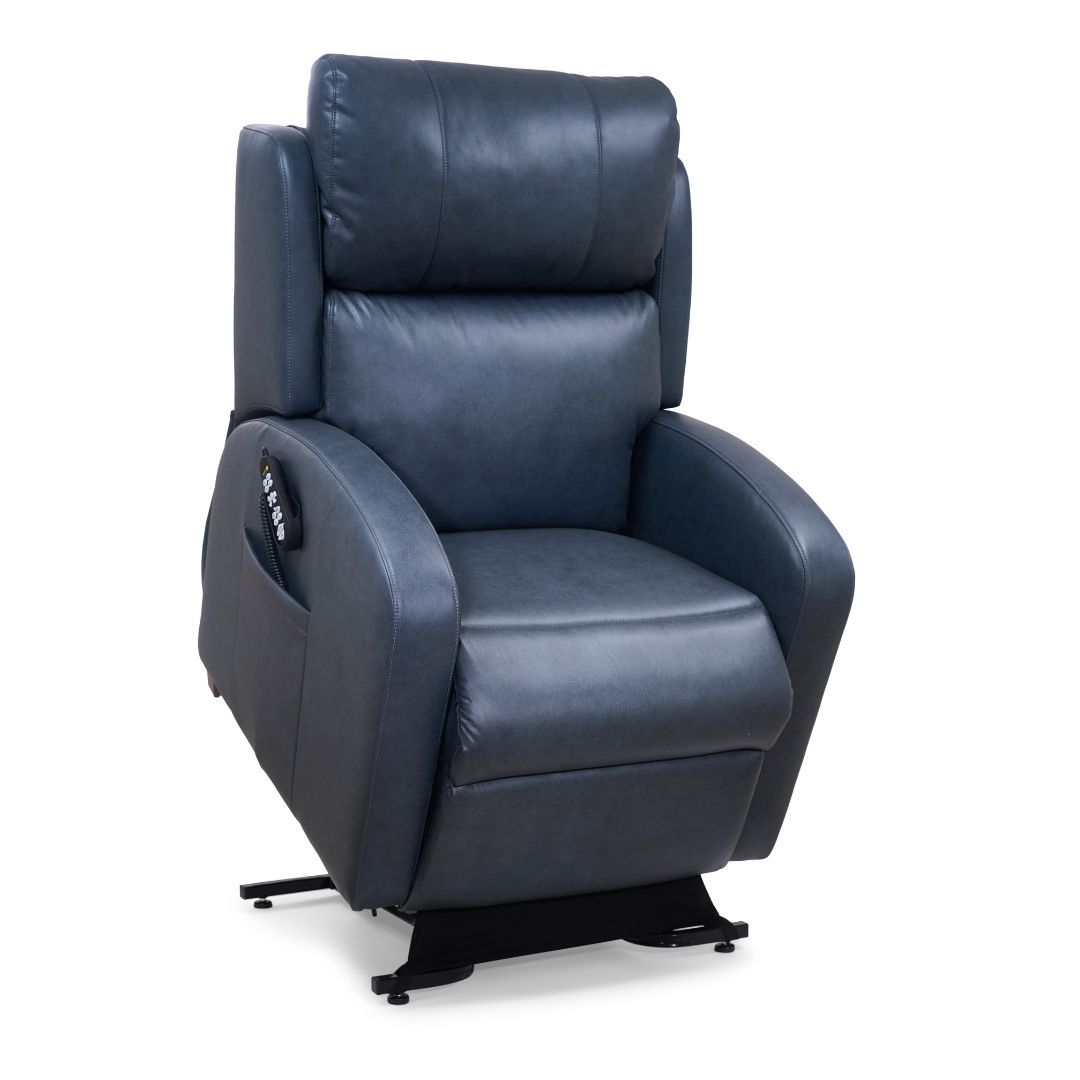
Recovering from surgery? A lift chair can make it easier and safer. Reduce strain, stay comfortable, and regain independence during recovery.

Discover why professional stairlift installation is safer, faster, and more reliable than DIY—protect your warranty and peace of mind.

Stay safe this autumn with fall prevention tips and mobility solutions for seniors. Keep your home secure and maintain independence.
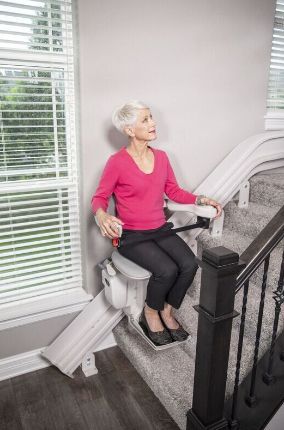
Learn the top warning signs it’s time to consider a stairlift. Keep your independence and prevent falls at home.
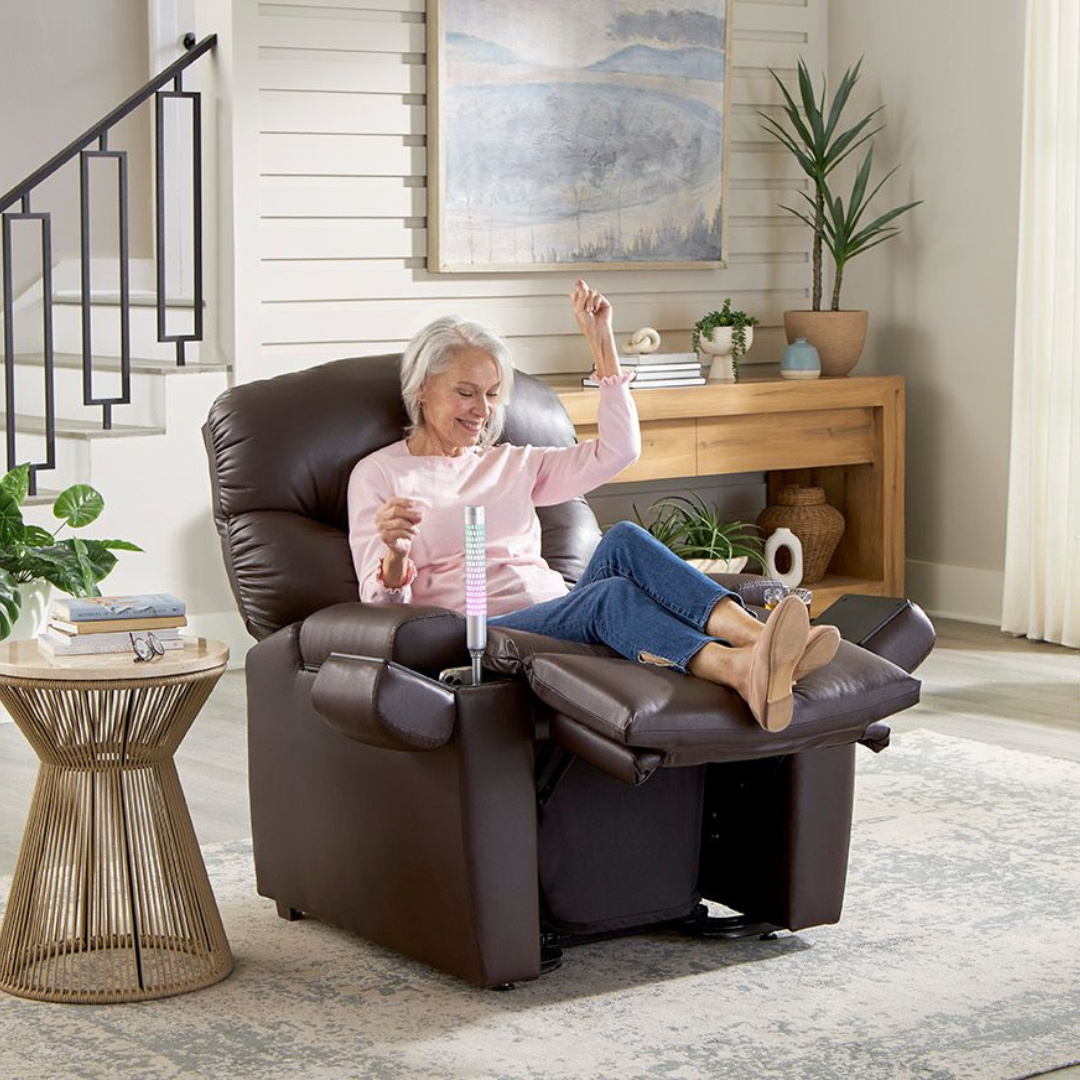
When autumn rolls in, so do cooler evenings, shorter days, and the need for a little extra comfort at home. For many seniors, this is the time of year when stiff joints, arthritis pain, and chilly temperatures make relaxing at home more important than ever. That’s where a lift chair shines—it’s more than just furniture, it’s a seasonal comfort upgrade. 1. Built-In Heat for Cozy Warmth Many modern lift chairs come with optional heating features built right in. This gentle warmth is especially soothing for stiff joints, aching backs, and sore muscles that often flare up as the weather turns cold. Unlike heating pads or blankets, the warmth is evenly distributed throughout the chair for all-over comfort. 2. Adjustable Recline for Every Activity Whether you’re catching up on a good book, watching your favorite show, or simply taking an afternoon nap, a lift chair makes it easy to find the perfect position. Multiple recline settings let you adjust your chair for reading, sleeping, or relaxing without the hassle of propping up pillows. 3. Easy Mobility and Safety As we age, getting up from a low sofa or recliner can put strain on the knees, hips, or back. A lift chair provides gentle assistance, raising you to a standing position safely and smoothly. This reduces the risk of falls and adds peace of mind for both seniors and caregivers. 4. Comfort That Lasts Beyond Fall While a lift chair adds extra coziness in autumn, it’s an investment that benefits you year-round—especially during the coldest winter months. From pain relief to safe mobility, it’s comfort you’ll enjoy every day. This fall, don’t just settle for staying warm—stay safe, supported, and comfortable with the perfect lift chair .
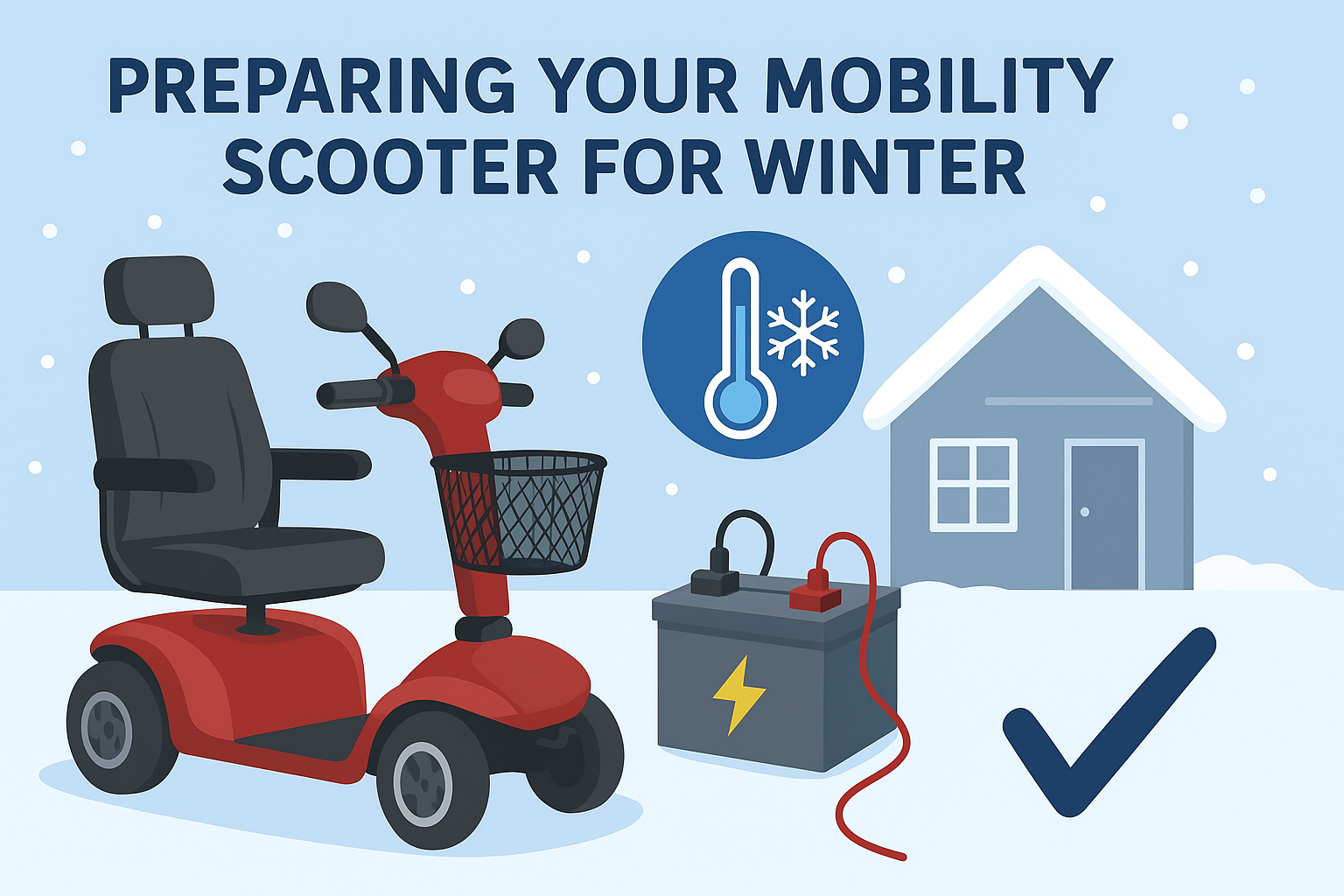
Winter is tough on both people and equipment. As temperatures drop, it’s important to prepare your mobility devices—like scooters, lift chairs, and ramps—for the cold, snow, and ice.

Learn what to do immediately after a senior experiences a fall and how to prevent future incidents with home safety tips and mobility aids

Learn how vision and hearing impact fall prevention. Discover tips on eye exams, hearing tests, and choosing the right glasses or hearing aids

Discover 10 essential fall prevention tips for seniors. From home safety to mobility aids, learn how to reduce fall risks and stay independent.
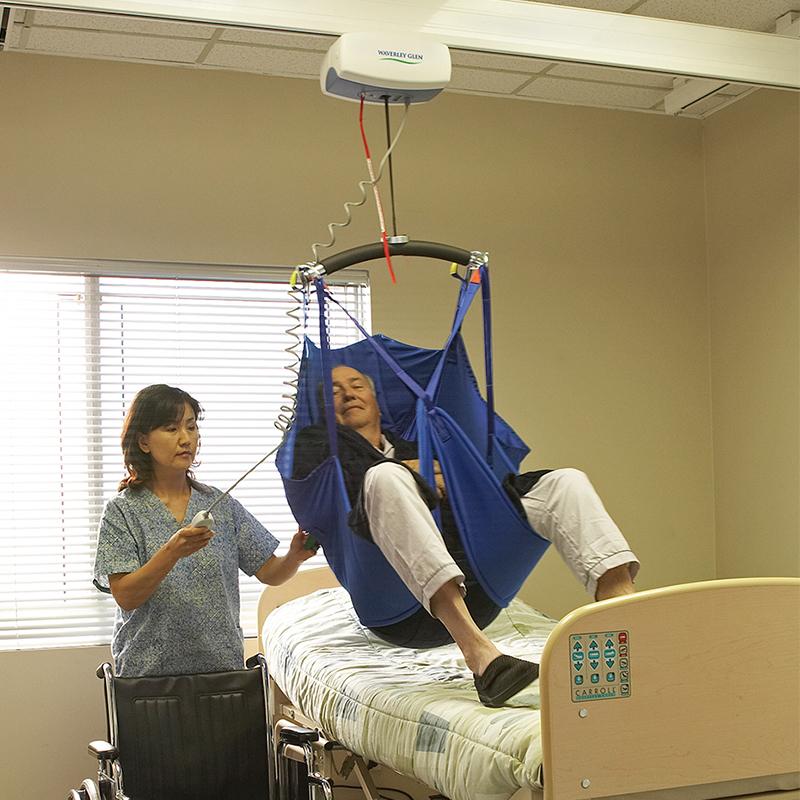
Caregiver tips for safe transfers, stairs & bathing. Shop walkers, lift chairs & bath safety products to reduce fall risks.

Wondering if it’s time to move from a cane to a walker or rollator? Learn the key signs, benefits of upgrading, and how the right mobility aid can reduce fall risks and keep you moving safely.

Create a safer home and reduce fall risks with this easy room-by-room safety checklist. Support independent living with practical tips for every space.
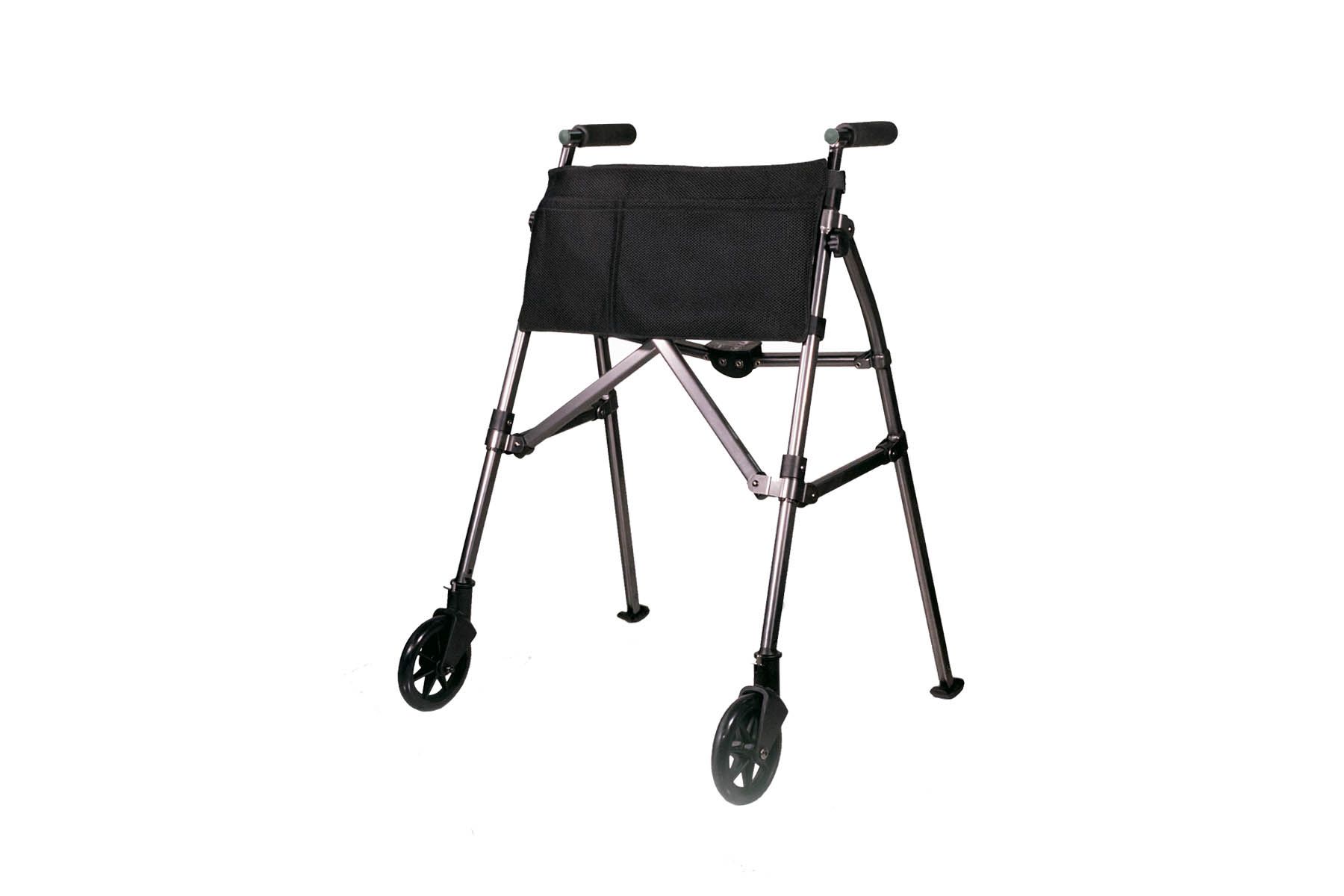
Stay safe and confident with your walker. Learn essential tips for proper use and home safety to prevent falls and improve daily mobility.
Family-owned stores offer expert fitting, better service, and trusted support for mobility and safety gear—unlike big-box retailers. Here's why local matters.
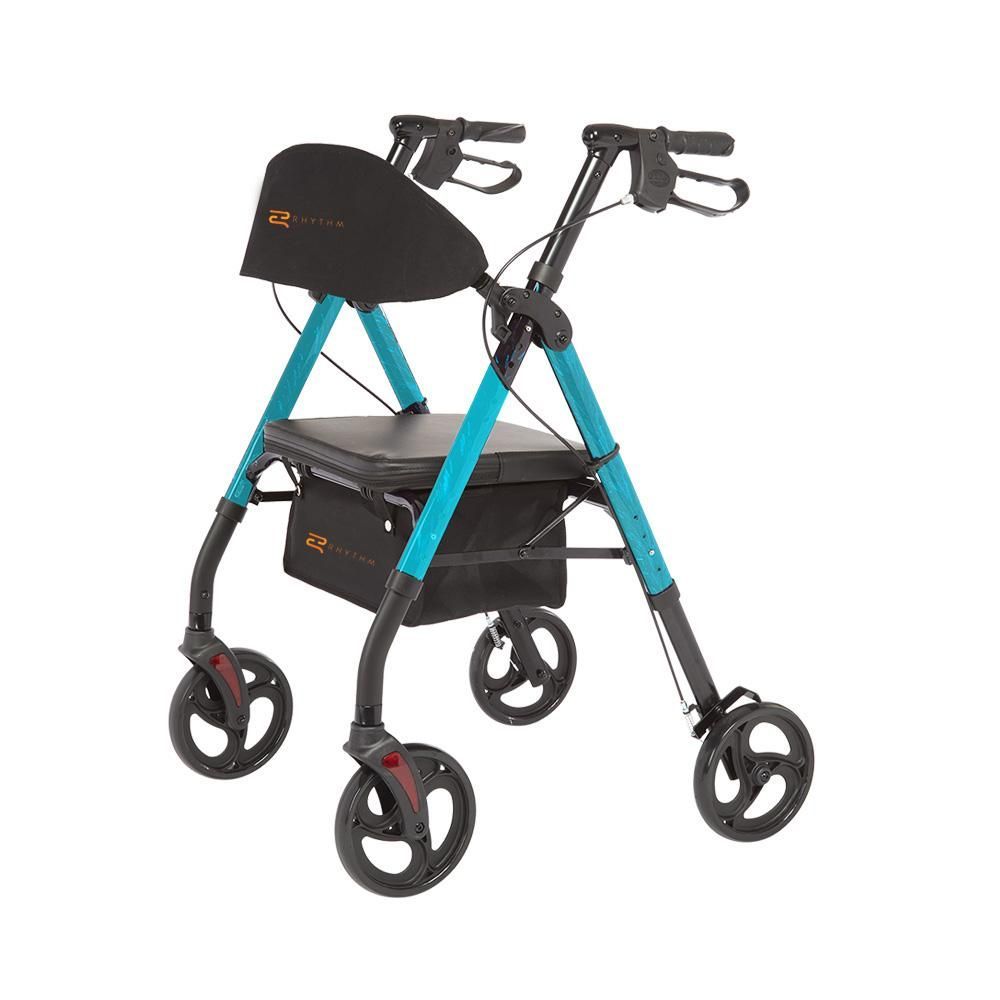
Keep your rollator safe and in top condition with these easy maintenance tips. Learn how to clean, check brakes, and inspect tires.

Discover why buying mobility products from a family-owned business with certified sales reps offers personalized service, expert guidance, and trusted local support.

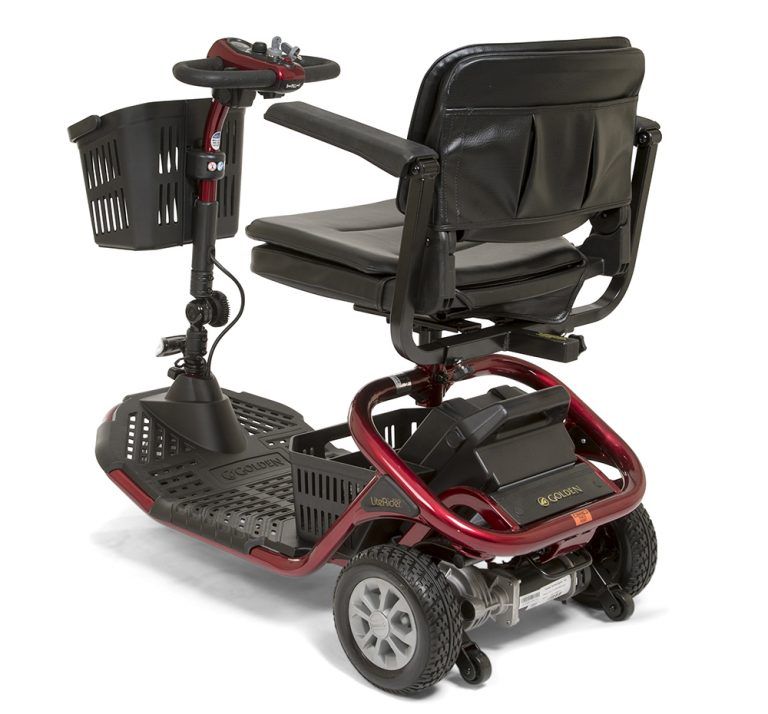
Follow Joan’s inspiring story and see how a mobility scooter transformed her daily routine. From errands to social outings, learn how scooters help people reclaim their independence and rediscover the joy in everyday life.
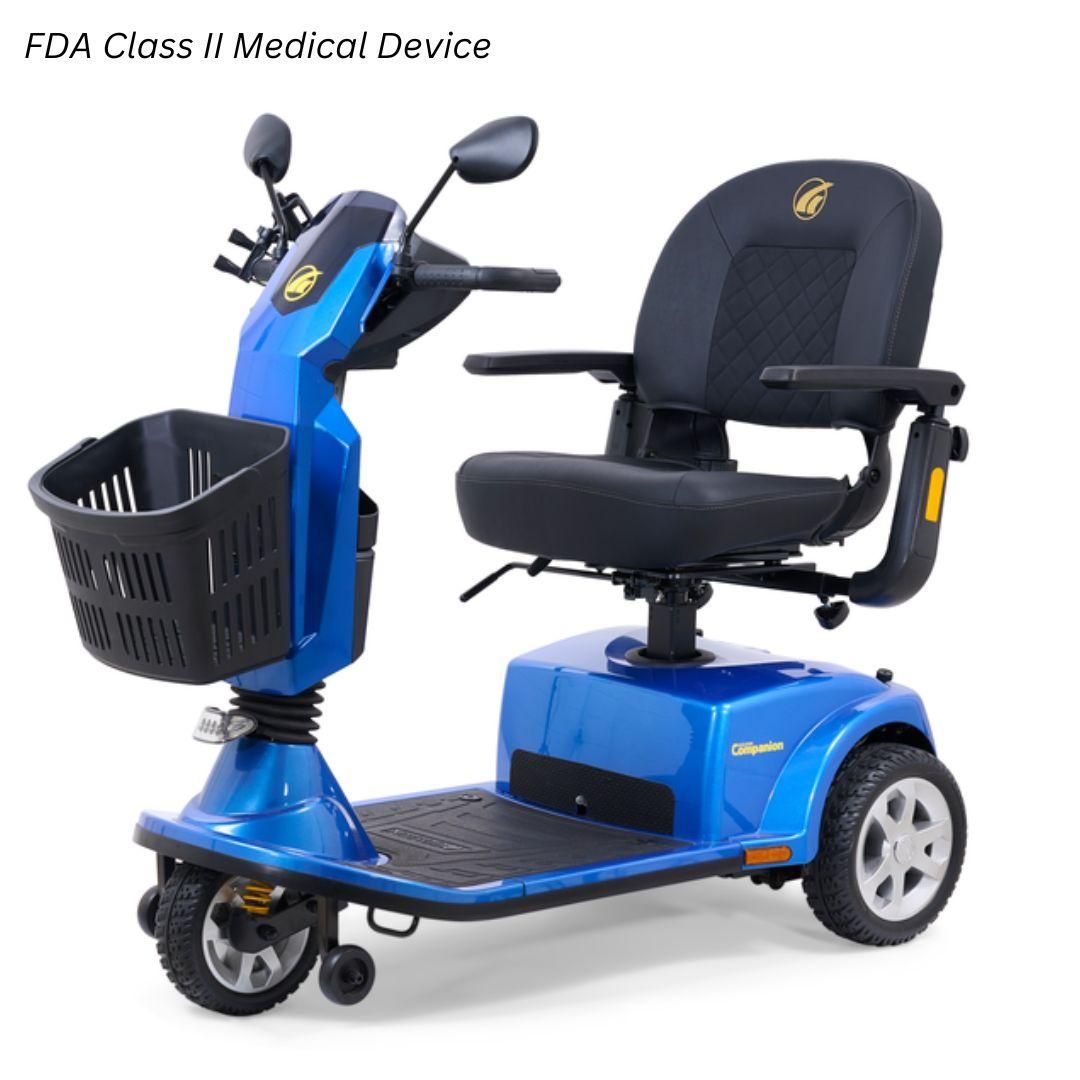
Losing mobility doesn't mean giving up freedom. This blog explores how mobility scooters help individuals regain control, confidence, and emotional well-being—empowering them to stay active, social, and independent.

Retirement should be stress-free—and smart financial planning makes that possible. Learn essential tips for budgeting, understanding income sources, planning for healthcare, investing wisely, and adjusting your finances as life changes.
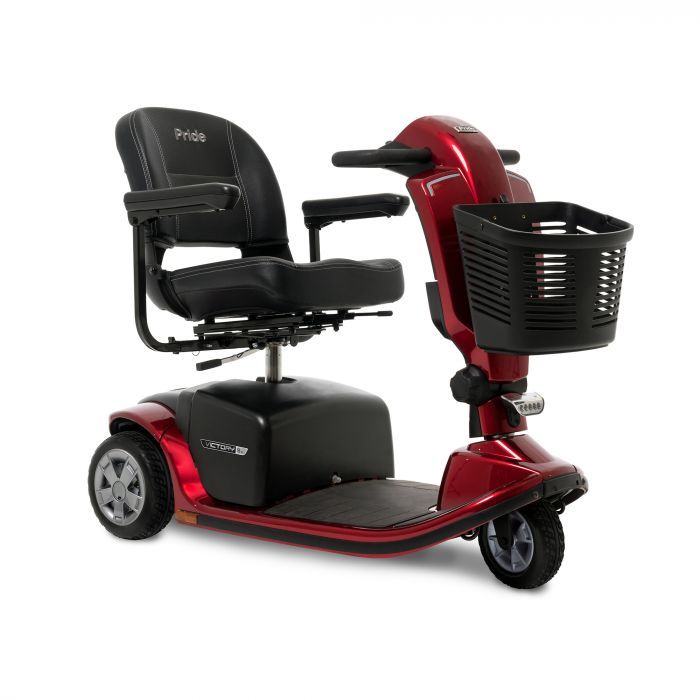
Discover how a mobility scooter can improve your independence, safety, comfort, and emotional well-being. This blog explores the top five benefits that make mobility scooters a life-changing option for those facing mobility challenges.

Avoid the hassle of warranty claims—Miller Mobility's certified technicians handle everything for you. Fast, stress-free service. Call us at 262-549-4900.
Wheels don't mean walls. Travel is absolutely possible with a mobility scooter—here’s how to do it stress-free.

Staying at home as you age? Make it safer with simple changes that can prevent dangerous falls. Your independence matters—let’s protect it.