Which Type of Wheelchair Ramp is Right for Me?
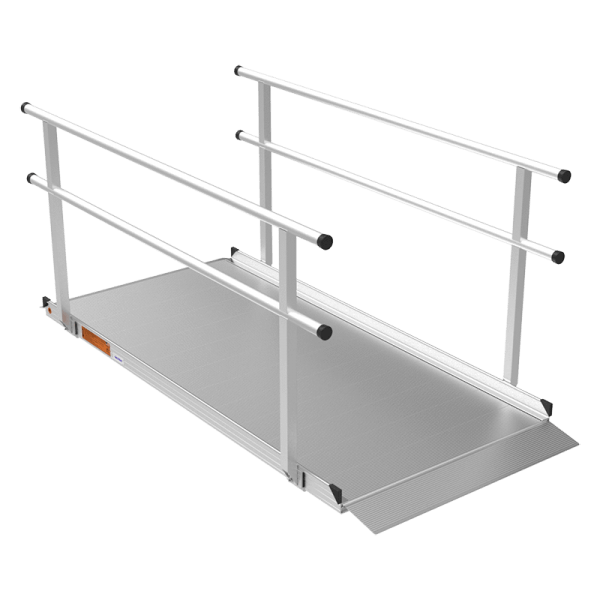
When considering a home wheelchair ramp, there are several important factors to keep in mind to ensure safety, accessibility, and compliance with regulations. Here’s a guide to help you select and install a wheelchair ramp in your home:
Types of Wheelchair Ramps
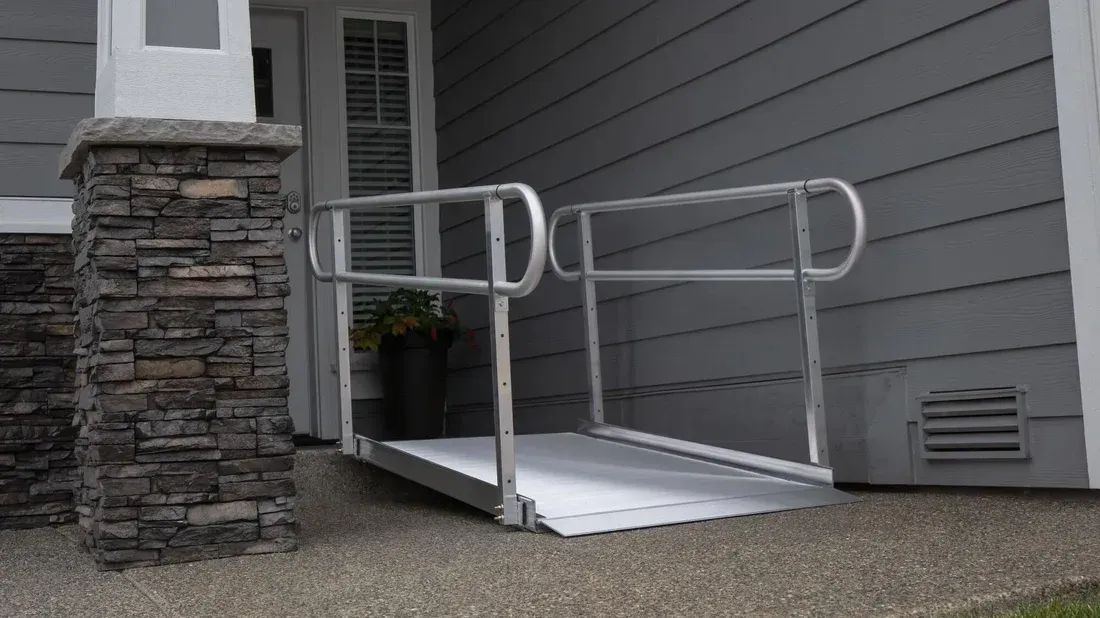
Portable Ramps: Lightweight and easy to transport. Ideal for temporary use or occasions when a permanent ramp isn’t necessary.
Modular Ramps: Made from prefabricated sections that can be assembled and customized to fit the specific dimensions of your entryway.
Permanent Ramps: Designed for long-term use, these ramps are typically made of sturdy materials like wood, aluminum, or concrete and are built to comply with local building codes.
Key Considerations
Slope Ratio: The recommended slope for wheelchair ramps is 1:12, meaning for every inch of vertical rise, there should be at least 12 inches of ramp run (horizontal distance). A less steep ramp is easier to navigate.
Width: The ramp should be at least 36 inches wide to accommodate most wheelchairs and scooters.
Surface Material: Ensure the ramp has a non-slip surface to prevent accidents, especially in wet conditions. Textured surfaces are beneficial.
Weight Capacity: Check the weight capacity of the ramp to ensure it can accommodate the user’s weight plus any additional equipment (like oxygen tanks or backpacks).
Landings: Ramps should have flat landings at the top and bottom for safe entry and exit. Landings should be at least 5 feet long.
Handrails: If the ramp has a rise greater than 6 inches, it should have handrails on both sides for safety.
Local Regulations: Check your local building codes and regulations regarding wheelchair ramps, as some areas may have specific requirements.
Installation Tips
Location: Identify the best location for the ramp, considering factors like the entrance angle, accessibility, and any potential obstructions.
Foundation: Ensure the ground is level and stable. For modular or permanent ramps, a solid base may be necessary to prevent shifting.
Secure the Ramp: If the ramp is portable, it should be secured to prevent slipping. Permanent ramps should be anchored according to local building codes.
Consult Professionals: If you’re not comfortable installing the ramp yourself, consider hiring a professional who specializes in accessibility modifications.
Maintenance
- Regularly inspect the ramp for wear and tear.
- Keep the surface clear of debris and slippery substances (like snow or ice).
- Check for loose parts or structural integrity.
Resources
Local Organizations: Reach out to local organizations that specialize in disability services for assistance, recommendations, and potential funding.
Online Calculators: Use online tools to help calculate the appropriate dimensions and specifications for your ramp.
Installing a wheelchair ramp can greatly enhance accessibility and independence for individuals with mobility challenges. By considering the type, specifications, and installation requirements, you can create a safe and functional environment in your home.
Contact Miller Mobility for more information about wheelchair ramps at 262-549-4900.